 By Graham Fisher
Updated November 2026
Pressure washer hoses at Harbor Freight come in several lengths, fitting styles and pressure ratings, so the right choice depends on your machine more than the store. This guide shows you how to identify what your washer needs, what to look for on the hose listing, and how to confirm the fit before you check out. Following these steps should get you a hose that connects without leaks and handles your machine’s output.
Start by Checking Your Current Hose and Machine
Before you browse, gather three details from your washer. The first is the pressure rating, usually printed on the machine’s data label as PSI (pounds per square inch). The second is the flow rating in GPM (gallons per minute). The third is the fitting type on both ends of your existing hose.
Shopping for one? See our guide: 7 Best Pressure Washers for Water Hose Options Compared (2026).
If the old hose is still usable, measure its length from end to end and note the fitting size on each end. If it has failed, look at the stamped rating on the hose jacket, which is often printed along its length.
Match the Fittings and Pressure Rating
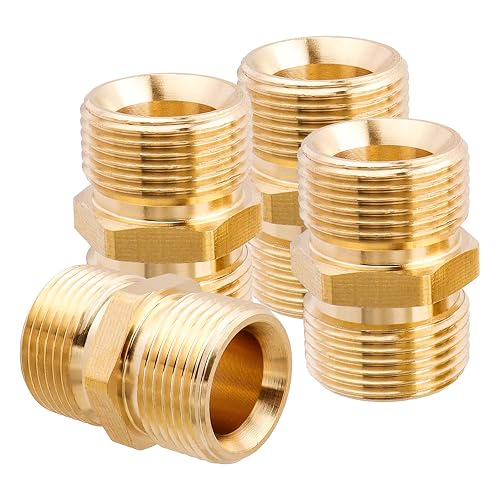
Most electric and gas units use quick-connect or threaded fittings, and the most common outlet thread on consumer units is 3/8-inch. Pressure washer hoses on the Harbor Freight site are generally listed with their fitting type, so compare that against your machine’s gun end and outlet end. A mismatch here causes leaks or stripped threads, and it is the most common reason a new hose gets returned.
Next, confirm the hose’s rated pressure is at least equal to your machine’s maximum PSI. Running a hose below its rating shortens its life and can cause bursts. Manufacturers typically specify a working pressure and a burst rating, and you want the working pressure to clear your machine’s maximum output comfortably.
Choose the Right Length and Hose Type
Longer hoses reduce pressure at the nozzle because of friction loss, so buy the shortest length that still reaches your work area. A 25-foot hose is a common choice for driveways and decks, while longer runs suit large yards but may feel sluggish with lower-output machines. Check the official product page for current specifications, since listings and availability can change.
Hose construction matters too. Braided or reinforced hoses resist kinking and abrasion better than basic vinyl, and many owners find them easier to handle on repeated jobs. If you store the hose on a reel, confirm that the reel accepts your hose diameter and fitting.
Quick Compatibility Checklist
- Confirm the maximum PSI on your machine’s label.
- Note the outlet and gun-end fitting types and sizes.
- Verify the hose’s working pressure meets or exceeds your PSI.
- Pick the shortest practical length for your job.
- Check the listing for a fitting diagram or part number.
Confirm Fit Before and After Installation
Once the hose arrives, install it hand-tight first, then check for leaks with the water on at low pressure. Tighten gently in small increments. Overtightening damages the washers inside fittings and is a frequent cause of drips.
If you are replacing a hose on a brand-specific machine, you may need a different fitting adapter rather than a new hose. Our guide on Pressure Washer Hose Connections: A Step-by-Step Guide to Fit and Seal walks through sealing threaded joints without over-torquing them.
Common Mistakes to Avoid
- Buying by length alone and ignoring the fitting type.
- Choosing a hose rated below your machine’s maximum PSI.
- Assuming all “pressure washer hose” listings are interchangeable across brands.
- Overtightening fittings, which can crack plastic connectors.
- Leaving a hose kinked or pressurized in heat, which shortens its service life.
Recommended Gear
A thread sealant or the correct fitting washers can prevent drips at connections that look fine on paper. View on Amazon
A hose reel keeps the line off the ground and away from vehicles, which extends hose life. View on Amazon
Quick-connect adapters let you move a hose between accessories without retightening threads each time. View on Amazon
FAQ
Can I use any pressure washer hose on my machine?
Not always. The hose must match your machine’s fittings and have a working pressure rating at or above your unit’s maximum PSI. Check both before buying.
How do I know if a hose is rated for my pressure washer?
Look for the working pressure printed on the hose or in its listing, and compare it to the PSI on your machine’s data label. If the rating is missing or unclear, contact the seller or manufacturer before using it.
Why is my new hose leaking at the connection?
The most common causes are a fitting mismatch, missing or worn washers, or overtightening. Reseat the washer, tighten hand-tight plus a small turn, and check again. If it still leaks, consult the machine’s manual or a qualified repair technician.
Conclusion
To choose pressure washer hoses at Harbor Freight successfully, match the fittings, confirm the working pressure against your machine’s PSI, and pick the shortest length that reaches your work. Check the official product page for current specifications and availability before ordering. With the right match, your replacement hose should install cleanly and last.
Related reading
- Pressure Washer Hose Reel: A Step-by-Step Guide to Choosing and Using One
- Pressure Washer Hose Attachments: A Practical Guide (2026)
- Pressure Hose for Power Washer: 5 Best Picks Compared (2026)
- Hose Pipe for Pressure Washer: How to Choose the Right One (2026)
- Why Does My Gas Pressure Power Washer Lose Pressure? 6 Causes and Fixes
Ready to choose one?
About Graham Fisher
Graham Fisher is part of our editorial team and reviews and edits our non-vacuum cleaning gear guides, checking product details against manufacturer specifications and owner feedback.



Write Your Review
No reviews yet. Be the first to share your experience!