 By Graham Fisher
Updated November 2026
Accessories for Ryobi pressure washer units are mostly about matching three things: the connection type, the pressure rating and the job you want done. This guide walks through how to identify what your machine needs, which accessory categories matter most and how to avoid buying parts that won’t fit. Ryobi pressure washer accessories are widely sold, but compatibility varies by model.
Step 1: Identify Your Model and Ratings
Start with the rating plate on the pump or frame. It lists the maximum PSI and GPM (gallons per minute) your machine delivers. Any accessory you add should be rated at or above those figures. Writing down the model number also helps when you check fitment against product listings, since Ryobi has offered several generations of electric and gas units.
Shopping for one? See our guide: Karcher K3 Pressure Washer Review (2026): Pros, Cons & Who Should Buy.
Step 2: Choose the Right Spray Tips and Wand
Spray tips are the most common upgrade. Manufacturers generally use color-coded quick-connect tips, with each color representing a different spray angle. A 0-degree tip gives the most concentrated stream and carries the highest risk of surface damage. A 25-degree tip is a safer general-purpose choice for siding, decks and vehicles. A 40-degree tip works well for rinsing and delicate surfaces. Check that the tip fits your wand’s quick-connect fitting before you buy.
Extension wands add reach, which is useful for gutters and second-story walls. Make sure the wand’s inlet fitting matches your gun, and confirm the length suits your working height.
Step 3: Pick Hoses, Soap Tanks and Foam Cannons
Hoses should match your machine’s inlet and outlet threads and be rated for the working pressure. Replacing a hose is often the simplest fix, and it is covered in more detail in Pressure Washer Hose for Ryobi: How to Choose and Replace One Correctly.
For detergents, a soap tank or foam cannon lets you apply cleaning solution at low pressure before rinsing. Use only detergents labeled safe for pressure washers, and mix at the ratio the label specifies. Harsh household chemicals can damage seals and pump internals. More detail on compatible products is in Soaps for Pressure Washer: Which Type to Use and How to Apply It Safely.
Step 4: Consider Surface-Specific Cleaners
Surface cleaners attach to the wand and spin one or two rotary jets across a flat area, such as a driveway or patio. They clean more evenly than a single tip and reduce streaking. Check the cleaner’s inlet size and its pressure rating before connecting it to your unit. For concrete and paver work, see Pressure Washer on Concrete: A Step-by-Step Guide for Clean Results.
Checklist Before You Buy
- Record your model number and the PSI and GPM ratings from the rating plate.
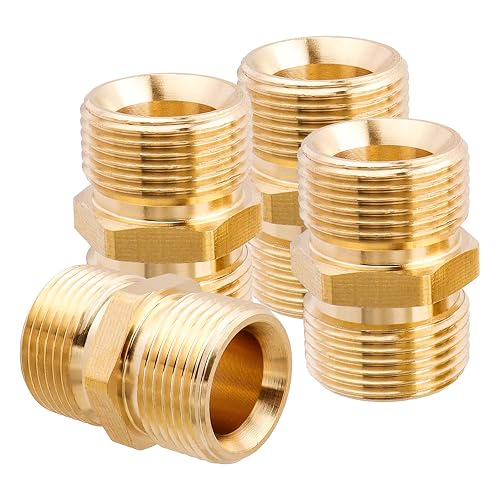
- Confirm the inlet and outlet thread sizes on your current hose and gun.
- Match quick-connect fittings to the tips and wands you plan to use.
- Verify that each accessory’s pressure rating meets or exceeds your machine’s maximum.
- Check that any detergent or foam product is labeled for pressure washer use.
Common Mistakes
- Using a 0-degree tip on wood, vinyl or painted surfaces, which can gouge or strip material.
- Buying a hose with the wrong thread size, then forcing the connection and damaging the fitting.
- Running detergent through a tank at full pressure instead of the low-pressure setting.
- Ignoring wear on O-rings and seals when swapping accessories, which can cause leaks.
- Assuming a universal fit without checking the GPM rating of the new accessory.
Recommended Gear
A set of color-coded quick-connect spray tips lets you change angles without swapping parts each time. Search for a multi-tip kit that includes the 15-, 25- and 40-degree options.
A foam cannon makes pre-soak applications more even, especially on vehicles. Look for one with a threaded connection that matches your wand. View on Amazon
A replacement hose cut to your machine’s required length and thread size is often the quickest upgrade. View on Amazon
FAQ
Are all Ryobi pressure washer accessories interchangeable?
No. Connection threads, quick-connect styles and pressure ratings differ between models and generations. Always check fitment against your model number before buying.
Can I use any detergent in my Ryobi pressure washer?
Use only detergents labeled safe for pressure washers. Harsh chemicals can damage seals and the pump, so follow the manufacturer’s mixing instructions.
Which spray tip should I start with?
A 25-degree tip is a safe general-purpose choice for most surfaces. Move to narrower tips only when you need more cleaning force, and test on an inconspicuous area first.
Conclusion
Good accessory choices start with your model’s ratings and connection types. Match tips, hoses and detergent tools to the surfaces you clean most often. Check fitment and pressure limits before each purchase, and consult your owner’s manual or a qualified repair technician if you are unsure.
Related reading
- Ryobi Pressure Washer Parts: How to Find, Identify and Replace Them
- Accessories for Pressure Washer: A Practical Guide (2026)
- Why Does My Gas Pressure Power Washer Lose Pressure? 6 Causes and Fixes
Ready to choose one?
About Graham Fisher
Graham Fisher is part of our editorial team and reviews and edits our non-vacuum cleaning gear guides, checking product details against manufacturer specifications and owner feedback.



Write Your Review
No reviews yet. Be the first to share your experience!