 By Graham Fisher
Updated November 2026
Shopping for a pressure washer at Tractor Supply is easier when you know which specs matter before you reach the aisle. This guide walks you through matching a pressure washer to your cleaning jobs, comparing the numbers on the label, and checking the parts that will keep the unit running. By the end, you should be able to narrow the choices to one or two models that fit your property and your budget.
Start With the Jobs You Actually Need Done
Before comparing models, list the surfaces you plan to clean. A pressure washer that works well on a patio can be too aggressive for vinyl siding, painted wood, or a car’s paint. Light jobs like outdoor furniture, grills, and vehicles call for lower pressure. Heavy jobs like concrete driveways, stripped decks, and equipment pads need more force and usually more water flow.
Shopping for one? See our guide: Karcher K3 Pressure Washer Review (2026): Pros, Cons & Who Should Buy.
Also think about how often you will use it. A unit for a few yearly jobs can be a simpler model. If you clean equipment or farm surfaces every week, look at heavier-duty engines and pumps.
Compare PSI, GPM and Engine Type
Two numbers drive cleaning performance. PSI (pounds per square inch) measures the force of the spray. GPM (gallons per minute) measures how much water flows through the nozzle. Higher PSI cuts through grime, but GPM is what moves dirt off a large surface quickly. Many homeowners get better results from a moderate PSI with solid GPM than from the highest PSI on the box.
Next, decide between electric and gas. Electric models are quieter, lighter, and need no fuel or oil changes, but they depend on an outlet or a rated extension cord. Gas models are not tied to a power source and handle bigger jobs, but they need regular maintenance and more storage space.
Check the Accessories and Replacement Parts
Look at what comes in the box. Most units include a spray wand, a hose, and a few nozzle tips. Confirm that the hose length and wand fit your reach. Check whether the nozzles are interchangeable and whether the soap container is included.
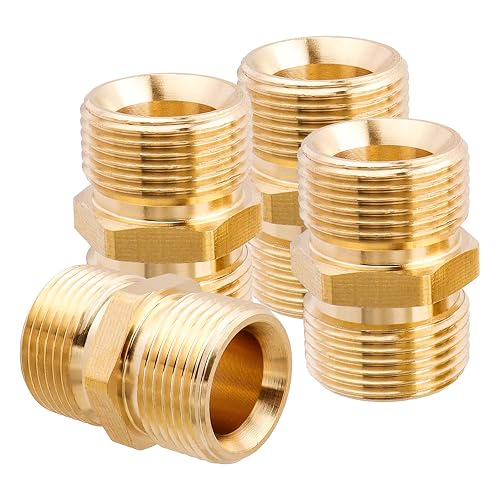
Then check parts availability. Hoses, O-rings, unloader valves, and nozzles wear out over time. A brand with widely sold replacement parts is easier to keep running. Our guide to Pressure Washer Replacement Parts: How to Identify, Match and Swap Them explains how to find the right fit before you need it.
Pre-Purchase Checklist
- List the surfaces and jobs you will clean most often.
- Note the water source you can reach and whether you have a suitable outlet or fuel storage.
- Choose a PSI and GPM range that matches those jobs, not the highest number on the label.
- Decide between electric and gas based on power access, noise tolerance, and storage space.
- Confirm hose length, wand reach, and included nozzle tips.
- Check that replacement hoses and common parts are easy to find.
Common Mistakes to Avoid
- Buying on PSI alone. A high-pressure unit with low flow can take longer to clean large areas.
- Using a high-pressure nozzle on soft surfaces, which can gouge wood or strip paint.
- Skipping the water supply check. Many units need a steady garden hose flow to run properly.
- Ignoring storage. Gas models and long hoses need space to stay protected from freezing.
- Forgetting to plan for soap. Use a detergent made for pressure washers, and apply it at low pressure first.
Recommended Gear
A few add-ons make a new pressure washer more useful from the first day. Each of these is a common item for this type of cleaning work.
- A surface cleaner attachment gives even results on flat concrete and reduces streaking. View on Amazon
- A pressure washer hose reel keeps the hose off the ground and prevents kinks. View on Amazon
- Pressure washer detergent is formulated to work with the unit’s low-pressure soap setting. View on Amazon
FAQ
Does Tractor Supply carry both electric and gas pressure washers?
Store selection varies by location and season, so check the Tractor Supply website or call your local store to see which models are in stock. Compare the PSI, GPM, and engine type listed on each product page before you visit.
What PSI do I need for a driveway?
Many homeowners find that a moderate PSI paired with good GPM works well for concrete, and a surface cleaner speeds up the job. Start on a low setting and test in an inconspicuous spot first.
Can I use a pressure washer on my car?
Yes, but use a wide spray pattern, keep a safe distance, and use a detergent made for vehicles. Avoid high-pressure nozzles near paint, trim, and seals.
Conclusion
Choosing a pressure washer comes down to matching PSI, GPM, and engine type to the jobs you do most. Check the accessories, the replacement parts, and the storage space before you commit. Once you have narrowed the options, confirm current stock and details with Tractor Supply or the manufacturer.
Related reading
- Why Does My Gas Pressure Power Washer Lose Pressure? 6 Causes and Fixes
- Water Pressure Washer Repair: A Step-by-Step Guide to Fixing Common Faults
- Water Pressure Washer Rental: A Step-by-Step Guide for First-Timers
- Troy Bilt Pressure Washer: Setup, Use and Maintenance Guide
- Top 5 Pressure Washer Sidewalk Cleaner Picks for Concrete and Pavers
Ready to choose one?
About Graham Fisher
Graham Fisher is part of our editorial team and reviews and edits our non-vacuum cleaning gear guides, checking product details against manufacturer specifications and owner feedback.



Write Your Review
No reviews yet. Be the first to share your experience!