 By Graham Fisher
Updated November 2026
A pressure washer quick connector lets you swap wands, nozzles, hoses and accessories in seconds without tools. This guide explains the common connector types, how to match one to your machine, how to attach it so it stays leak-free, and what to check when a fitting starts dripping or sticking.
What a Pressure Washer Quick Connector Does
Most pressure washers use a threaded or push-to-connect fitting at the gun, wand and hose ends. A quick connector replaces the threaded joint with a spring-loaded collar and a locking ball or pin. You push the male end in until it clicks, and you pull the collar back to release it. The benefit is speed: switching from a 25-degree tip to a surface cleaner takes a few seconds instead of a minute of hand-tightening.
Shopping for one? See our guide: Karcher K3 Pressure Washer Review (2026): Pros, Cons & Who Should Buy.
Choose the Right Connector Type
Quick connectors are not interchangeable across brands. Before buying, confirm three things:
- Thread or port size. Check the existing fitting on your gun, wand or hose. Many residential machines use a 3/8-inch NPT thread on the outlet, while accessories often use 1/4-inch quick-disconnect ends.
- Connector standard. Common styles include the 1/4-inch quick-disconnect (sometimes called M22 or Cam-Lock style on some imported parts) and the 3/8-inch industrial coupler. Check the markings or the manufacturer manual.
- Pressure rating. The connector must be rated at or above your machine’s maximum PSI. Undersized fittings are a common source of blowouts.
| Fitting location | What to check |
|---|---|
| Machine outlet | Thread type and size (NPT or BSP) |
| Hose end | Male or female, and the connector style |
| Gun or wand | Quick-connect style that matches your accessories |
| Nozzle or lance | Quick-disconnect size and locking method |
How to Install a Quick Connector Without Leaks
Installation takes about 10 minutes with basic tools. Follow these steps:
- Turn off the machine, disconnect the power or fuel supply, and relieve pressure by squeezing the trigger on the gun.
- Unscrew the old fitting. Clean the threads of old sealant or debris.
- Wrap PTFE thread tape clockwise around the male threads, two to three wraps, leaving the first thread bare.
- Thread the connector in by hand until snug, then tighten about one-quarter turn more with a wrench. Do not overtighten brass fittings.
- Test the seal: run water at low pressure and check for drips before using full PSI.
Troubleshoot Sticking or Leaking Connectors
Most problems come from debris, worn seals or misalignment. Rinse the connector with clean water, check the O-rings for cracks, and replace any that look flattened. If the collar sticks, a light coat of silicone-based lubricant on the sliding parts often frees it. Do not use petroleum-based grease on rubber seals, since it can swell them.
Common Mistakes
- Mixing brands without checking thread or connector standards.
- Skipping thread tape or using too much, which can crack fittings.
- Overtightening plastic connectors, which strips threads.
- Ignoring small drips, which usually grow into bigger leaks under pressure.
- Using a connector rated below your machine’s maximum PSI.
Recommended gear
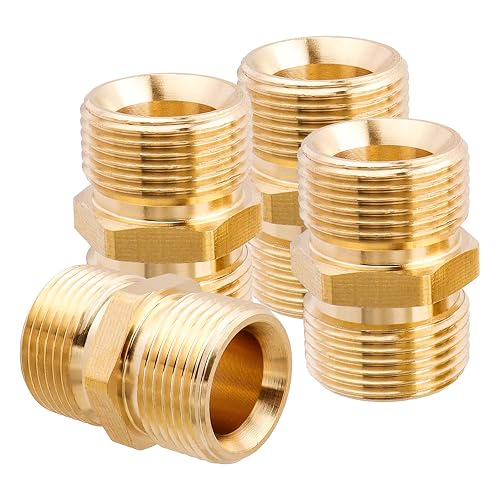
A PTFE thread seal tape roll is useful for sealing threaded connectors without over-wrapping them. View on Amazon
A set of replacement O-rings in common sizes helps you fix a leaking connector in minutes instead of waiting on a part. View on Amazon
A quick-disconnect pressure washer lance set lets you swap accessories without re-threading the wand each time. View on Amazon
FAQ
Can I use any quick connector on my pressure washer?
No. Check the thread type, connector standard and pressure rating against your machine’s specifications. A mismatched fitting can leak or fail under pressure.
Why does my quick connector leak only when the machine is running?
Pressure exposes small defects that stay hidden at rest. A worn O-ring or a poorly sealed thread is the usual cause, so inspect and replace the seal first.
Do I need thread tape on a quick connector?
Threaded connectors usually need PTFE tape or a compatible thread sealant. Push-style connectors often seal with O-rings alone. Check the manufacturer instructions for your specific fitting.
Conclusion
A pressure washer quick connector saves time when you switch accessories, but only if it matches your machine and is installed correctly. Confirm the thread and pressure rating before buying, seal threads properly, and replace worn O-rings early. For high-pressure repairs or fittings you are unsure about, consult a qualified service technician.
Related reading
- Why Does My Gas Pressure Power Washer Lose Pressure? 6 Causes and Fixes
- Water Pressure Washer Repair: A Step-by-Step Guide to Fixing Common Faults
- Water Pressure Washer Rental: A Step-by-Step Guide for First-Timers
Ready to choose one?
About Graham Fisher
Graham Fisher is part of our editorial team and reviews and edits our non-vacuum cleaning gear guides, checking product details against manufacturer specifications and owner feedback.









Write Your Review
No reviews yet. Be the first to share your experience!