 By Owen Palmer
Updated November 2026
Cleaning a steam cleaner means emptying the water tank, flushing out mineral buildup, wiping down the housing, and clearing any clogged nozzles or pads. Done every few uses, it keeps steam pressure steady and stops odors and residue from transferring back onto your floors. The steps below work for most handheld and upright steam cleaners, and they take about 20 to 30 minutes.
Gather What You Need Before You Start
You don’t need specialty supplies for routine cleaning. Most of the work happens with water and a few basic tools. Check your manual first, because some manufacturers specify particular descaling products or warn against vinegar on certain seals.
Shopping for one? See our guide: 6 Best Carpet Steam Cleaner Bissell Models for Deep Cleaning (2026).
- Distilled water (for rinsing and refilling)
- White vinegar or a manufacturer-approved descaler
- A soft cloth and a small brush or old toothbrush
- A pin or paperclip for clearing nozzle openings
- A bowl or sink to catch drained water
How to Clean the Water Tank and Remove Scale
Mineral scale is the main reason steam output drops over time. Tap water leaves calcium and magnesium deposits that build up in the tank and heating element. Regular descaling prevents this.
- Unplug the unit and let it cool completely. Hot tanks and steam paths can cause burns.
- Empty the tank into a sink and rinse it with clean water.
- Mix a descaling solution. A common ratio is equal parts white vinegar and distilled water, unless your manual says otherwise.
- Fill the tank about halfway and run the unit for a few minutes to push the solution through the steam path. Turn off the steam when the tank is nearly empty.
- Let the solution sit for 15 to 30 minutes so it can loosen deposits.
- Drain and rinse twice with distilled water, then run the unit briefly to flush out any remaining solution.
How to Clear Nozzles, Filters and Attachments
Clogged nozzles cause uneven spray and spitting. Once the tank is drained, check each opening on the steam head and any spray jets.
- Use a pin to gently clear debris from the nozzle holes. Don’t force it, since you can enlarge or damage the opening.
- Remove the water filter or screen if your model has one, and rinse it under warm water. Let it dry before reinstalling.
- Wash removable pads and cloths according to their care labels. Residue left on pads can make the next session smell.
Wipe Down the Housing and Store It Properly
Use a damp cloth on the exterior, paying attention to the handle, trigger and cord area where grime collects. Avoid spraying liquid directly onto the unit. Let every part air-dry before storage. Store the cleaner upright in a dry place, and empty the tank after each use if it will sit for several days. Standing water encourages mineral buildup and odor.
Common Mistakes to Avoid
- Using tap water in a unit that calls for distilled water, which speeds up scale formation.
- Skipping descaling until steam output visibly drops.
- Using undiluted vinegar or harsh chemicals that can damage seals and plastic components.
- Reconnecting the unit before the tank and steam path are fully dry.
- Ignoring the manual’s guidance on descaling intervals and approved solutions.
Recommended Gear
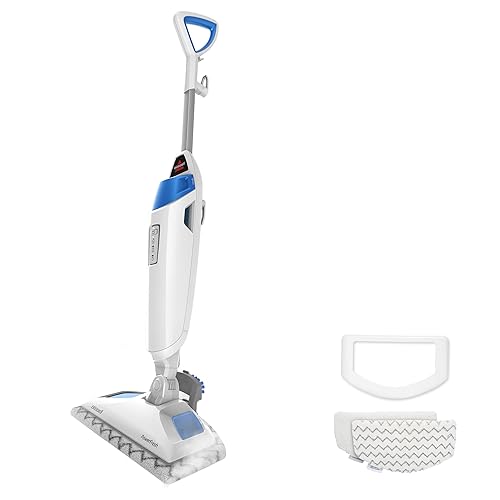
Distilled water keeps mineral deposits from forming in the first place, and it is one of the easiest ways to extend a unit’s life. View on Amazon
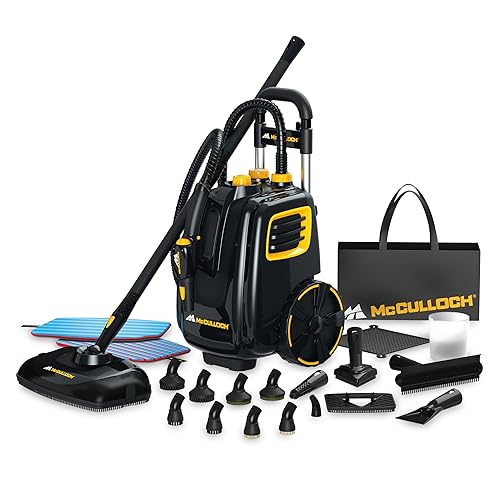
A small detail brush makes it much easier to clean corners of the nozzle and attachment openings without scratching surfaces. View on Amazon
A manufacturer-approved descaler can be a better choice than household vinegar for some models, especially if your manual lists specific products. View on Amazon
FAQ
How often should I clean my steam cleaner?
Empty the tank after each use and do a full descaling every few months, or sooner if you use hard tap water. Check your manual, since intervals vary by model.
Can I use vinegar to descale every steam cleaner?
Many owners use diluted white vinegar, but some manufacturers warn against it for certain seals or components. Follow your manual before using any descaling product.
Why does my steam cleaner smell after cleaning?
Residue from previous cleaning solutions or moisture trapped in pads and the tank can cause odor. Rinsing thoroughly and letting everything air-dry usually solves it. If the smell persists, consult the manufacturer for service guidance.
Conclusion
Regular cleaning keeps your steam cleaner producing consistent steam and extends its working life. Empty and rinse the tank after use, descale on a schedule that matches your water, and clear nozzles before they clog. For more guidance on maintenance, see Steam Cleaner Water and Maintenance: Preventing Scale and Steam Cleaner Attachments and What Each One Does.
Related reading
- Steam Cleaner for Grout Cleaning: A Step-by-Step Guide for Clean Tile Lines
- Steam Cleaner to Clean Tile Grout: A Step-by-Step Guide for Better Results
- Steam Cleaner to Clean Couch: A Step-by-Step Guide for Fabric Upholstery
- Steam Cleaner for Sofa: A Step-by-Step Guide for Better Results
Ready to choose one?
About Owen Palmer
Owen Palmer is part of our editorial team and reviews and edits our non-vacuum cleaning gear guides, checking product details against manufacturer specifications and owner feedback.



Write Your Review
No reviews yet. Be the first to share your experience!