 By Owen Palmer
Updated November 2026
The best steam cleaner household machine for your home depends on your floors, your cleaning tasks and how much hands-on time you want to spend. This guide walks you through the factors that matter most, how to match a steamer to your surfaces, and the gear worth considering. By the end, you should be able to narrow your options to one or two models that fit your home.
Step 1: Match the Steamer to Your Floors
Steam works well on sealed hard surfaces like tile, vinyl, laminate and sealed hardwood, where a stick or canister steamer can lift grime quickly. Carpet and rugs need a different approach. A standard steam mop pushes water into fibers and can leave them soggy, so look for a machine designed for carpet, such as a dedicated 7 Best Steam Clean Carpet Cleaner Picks for Home Use (2026) option, if your home has a lot of it.
Shopping for one? See our guide: 6 Best Handheld Steam Cleaners for Upholstery Compared for Home Use (2026).
Check the manufacturer’s floor guidance before you buy. Some sealed wood finishes and certain natural stone surfaces are sensitive to heat and moisture, and a few manufacturers specifically advise against steam on them.
Step 2: Look at Heat-Up Time and Steam Output
Most household steamers need a short warm-up before they produce steam, and the time varies by model. Owners often report that faster heat-up makes a bigger difference than they expected, especially for quick kitchen or bathroom jobs. Steam output matters too. Higher output helps loosen sticky residue, while lower output is gentler on delicate finishes.
Step 3: Choose the Right Format for Your Tasks
A household steamer generally comes in three formats:
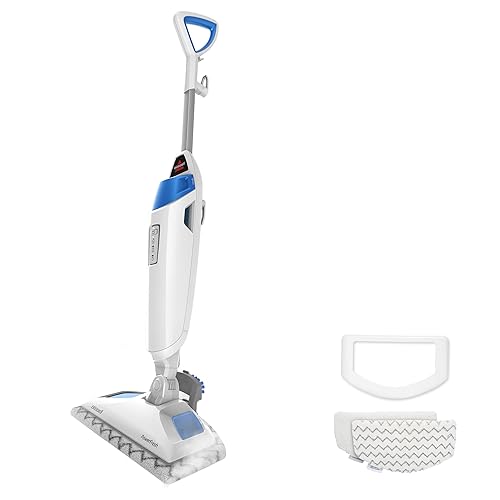
- Steam mops are best for wide, open hard floors and need the least bending.
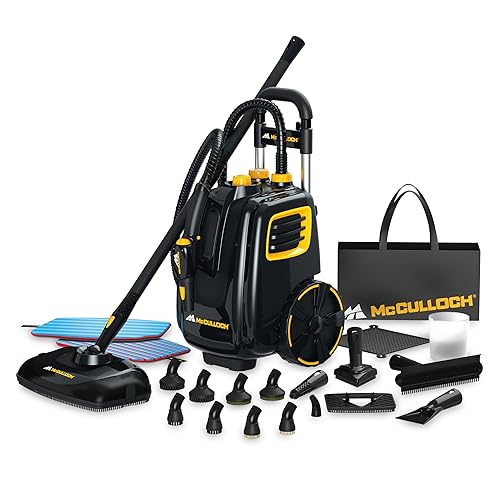
- Canister steamers offer a long hose and a range of attachments for tile grout, stovetops and upholstery.
- Handheld steamers work well for spot jobs, shower surrounds and small appliances. Models built for the job are covered in Best Handheld Steam Cleaners for Home: 7 Models Compared.
If grout is a priority, a steamer with a small nozzle and good pressure will work better than a flat mop head. See Best Steam Cleaner to Clean Grout: Choosing the Right Machine (2026) for more on that.
Step 4: Check Water Tank Size, Cord Length and Accessories
A larger tank means fewer refills, but it also adds weight. Measure the longest cord run you need, and check whether the machine includes the attachments you will actually use, such as a triangle scrubber for corners, a squeegee or a microfiber pad set. Replacement pads are a recurring cost, so confirm they are easy to find before you commit.
Recommended gear
A few items pair well with a household steamer and make routine cleaning easier:
- Microfiber steam mop pads: Washable pads hold dirt well and are designed to handle steam heat. View on Amazon
- Triangle grout brush attachment: A stiff, narrow brush reaches tile lines and corners that a flat head misses. View on Amazon
- Distilled water: Manufacturers commonly recommend distilled water to reduce mineral buildup in the boiler. View on Amazon
Common Mistakes to Avoid
- Using a steam mop on carpet, which can leave fibers damp and promote odor.
- Filling the tank with tap water in hard-water areas, which can cause scale buildup faster.
- Skipping the warm-up time and pushing the mop before steam is fully building.
- Letting floors stay wet. Move the mop steadily and dry any standing moisture.
- Ignoring the manual’s guidance on sealed wood and stone surfaces.
FAQ
Is a steam cleaner good for households with pets?
It can help with pet messes on hard floors because the heat sanitizes surfaces well. For carpet and upholstery, a dedicated extraction cleaner is usually more effective at pulling out urine and dander.
Can I use a household steamer on sealed hardwood?
Some manufacturers allow it on sealed hardwood with minimal water, while others advise against it. Check the owner’s manual for your floor finish and follow its guidance. If you are unsure, consult your flooring manufacturer.
How often should I descale my steam cleaner?
Many manufacturers recommend descaling periodically, especially in hard-water areas. Follow the schedule in your manual, and use distilled water to slow buildup between cleanings.
Conclusion
The best steam cleaner household choice is the one that suits your floors, your tasks and your tolerance for setup and maintenance. Start with your surfaces, then decide between a mop, canister or handheld format. Read the manufacturer’s guidance before you clean, and your machine should serve you well for years.
Related reading
- Steam Cleaner on Walls: 4 Best Picks for Every Need (2026)
- Hand Held Steam Cleaner Best Picks: 6 Factors to Choose Right (2026)
- Best Garment Steam Cleaner: 6 Factors to Choose the Right One (2026)
Ready to choose one?
About Owen Palmer
Owen Palmer is part of our editorial team and reviews and edits our non-vacuum cleaning gear guides, checking product details against manufacturer specifications and owner feedback.




Write Your Review
No reviews yet. Be the first to share your experience!