 By Graham Fisher
Updated November 2026
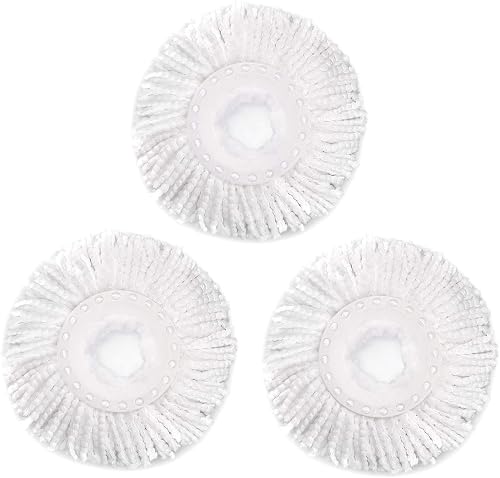
An easy wring spin mop and bucket system is a strong pick for most homes with hard floors, especially if you want a simple, one-bucket routine that gets the job done with minimal fuss. A dual-bucket spin mop, which separates clean and dirty water into two compartments, makes more sense if you mop large areas, want to keep dirty water away from your clean rinse, or care about avoiding streaks on sealed hardwood. The right choice depends mostly on how much floor you clean at once and how picky you are about water quality during the job.
Quick Comparison at a Glance
The two systems share the same basic idea: a mop head sits in a bucket, a spin or press mechanism squeezes out water, and you clean in sections. The differences show up in wringing action, water management, footprint and how much hands-on attention each one needs.
| Criteria | Easy Wring Spin Mop and Bucket System | Dual-Bucket Spin Mop System |
|---|---|---|
| Bucket design | Single bucket with a built-in wringing basket | Two compartments: one for clean solution, one for rinse or dirty water |
| Wringing method | Foot pedal or lever presses the head against a spin basket | Foot pedal or lever, usually with a spin basket in the rinse side |
| Water changes during a job | Usually needed when water looks dirty | Less frequent, since rinsing happens separately |
| Floor coverage per fill | Smaller, since you refill more often | Larger, since the rinse side stays cleaner longer |
| Footprint and storage | Compact and easy to store | Bulkier, with more parts to store |
| Best floor types | Vinyl, laminate, sealed tile, finished hardwood | Large hard-floor areas, tile, sealed stone |
| Maintenance | Rinse bucket and replace mop head regularly | Rinse two compartments and check seals and wheels |
Wringing Performance: Which Gets Mops Drier?
Wringing is the main reason people buy spin mops. A mop head that holds too much water can leave puddles, streaks and damp spots that take time to dry. Both systems use a spin basket or press mechanism to remove water, and manufacturers typically specify that a well-maintained head should leave the pad damp rather than dripping.
The easy wring spin mop and bucket system gets the edge here for most users. Its wringing action is designed to be quick and repeatable: you press the pedal, the head compresses against the basket, and you can usually get a consistent level of dryness with a few pumps. Owners often report that this makes it easier to avoid overwetting, which matters on laminate and engineered wood.
The dual-bucket design can wring just as well, but the separate rinse side means you are often working with a head that has picked up more debris from the first pass. Many owners find they need to wring a little longer to get the same dryness. Winner for wringing: easy wring spin mop and bucket system, mainly because of its simpler, more consistent pressing action.
Water Management and Clean Floors
Dirty water is the biggest enemy of a good mopping job. If you keep dragging a mop through grimy water, you spread dirt rather than removing it. This is where the two systems differ most.
With a single-bucket setup, you will typically change water when it looks cloudy, often after covering roughly one room or a section of about 100 to 150 square feet, depending on how dirty the floor is. This is fine for light maintenance mopping but can mean more trips to the sink. Manufacturers usually recommend a fresh fill for each major section, so plan for several refills on a larger house.
A dual-bucket system splits the job. One compartment holds your cleaning solution; the other holds rinse water. You dip the head in the cleaning side, mop, then wring and rinse in the second compartment. Because the rinse water stays separate, it stays cleaner longer, and you rarely need to dump the whole thing mid-job. This tends to produce fewer streaks on hard floors and is especially useful when you clean a larger area in one session. Winner for water management: dual-bucket spin mop system.
Floor Type Compatibility
Both systems work on sealed hard floors, but the best match depends on your surface. Always check your floor manufacturer’s care instructions before using any wet mop, since excess water can damage unsealed wood, some engineered floors and grout.
- Vinyl plank and sheet vinyl: Both work well. A single-bucket system is usually enough.
- Laminate: The easy wring spin mop and bucket system is the safer choice, because you can keep the head damp rather than wet.
- Sealed hardwood: Either system works if wrung well. The dual-bucket version helps avoid cloudy residue from dirty rinse water.
- Ceramic and porcelain tile: The dual-bucket system handles large tiled areas better, especially with grout lines that trap grime.
- Unsealed or waxed wood: Neither is ideal. A dry dust mop or a lightly damp microfiber pad is usually better.
For homes with pets, the easy wring system’s compact size helps when you are mopping around crates or feeding areas. A dual-bucket system may be harder to maneuver in tight spaces.
Ease of Use and Mop Head Handling
Ease of use covers how often you touch the mop head, how much you bend and how easily you can switch heads. The easy wring spin mop and bucket system generally wins this category. Its single bucket is lighter and simpler to move, and the wringing action usually works with one foot. Most users get comfortable with it after a session or two.
The dual-bucket version asks for slightly more coordination. You move between two compartments, which can mean more steps and more bending if the bucket sits low. However, owners who mop large areas often say the extra step is worth it because they spend less time dumping water. Winner for ease of use: easy wring spin mop and bucket system.
Storage, Footprint and Portability
If you have a small apartment or limited closet space, the compact single-bucket design has a clear advantage. It takes up less room, and the bucket can often nest or stand upright beside the washer or water heater. The dual-bucket system is larger, and its extra parts, such as a second compartment and possibly a separate spin basket, need more space. Winner for storage: easy wring spin mop and bucket system.
Cleaning Speed and Coverage
Speed depends on how often you stop to refill. A dual-bucket system usually covers more floor before you need to change water, so it can feel faster on large open areas such as kitchens with an open floor plan, basements or commercial-style spaces. A single-bucket setup can be just as fast for small rooms and quick touch-up jobs, where you rarely change water more than once or twice. Winner for speed on large areas: dual-bucket spin mop system; for small or medium spaces, the difference is minor.
Maintenance and Durability
Both systems need routine care. Mop heads should be washed after each use, and most manufacturers recommend replacing microfiber heads every few months, depending on use. Check wheels, seals and pedals periodically. The single-bucket design has fewer parts to clean and fewer places where grime can collect. The dual-bucket setup has more surfaces to rinse and dry, which can be a small hassle but is manageable with a quick wipe after each session. Winner for simple maintenance: easy wring spin mop and bucket system.
Which Should You Choose?
- Choose the easy wring spin mop and bucket system if you have a small to medium home, mostly laminate, vinyl or sealed wood floors, limited storage, and want a simple routine.
- Choose the dual-bucket spin mop system if you clean large hard-floor areas, want cleaner rinse water, mop tile with heavy grout, or mop large sections in one go.
- Choose the easy wring spin mop and bucket system if you have pets and need to maneuver around crates, bowls and furniture.
- Choose the dual-bucket spin mop system if you are cleaning a family home or rental with frequent large-area mopping and you prefer fewer water changes.
- Choose the easy wring spin mop and bucket system if you have a laminate or engineered floor that is sensitive to moisture and you want better control over how wet the head gets.
Product Options to Consider
Here are two well-known options that match each approach. Check the included parts and replacement head compatibility before you buy.
Easy wring option: O-Cedar EasyWring Microfiber Spin Mop and Bucket System is one of the most widely recognized single-bucket spin mops, and it is designed around a foot-pedal wringing basket. View on Amazon
Dual-bucket option: Spin Mop 2 Bucket System is a common dual-compartment design aimed at separating clean and rinse water during a job. View on Amazon
For more model-specific comparisons, see 7 Best Spin Mop & Bucket System Options for Clean Floors (2026) and 6 Best Spin Mop 2 Bucket System Picks for Clean Floors (2026). If you are already set on a brand, 6 Best O-Cedar EasyWring RinseClean Spin Mop & Bucket System Options (2026) covers that line in more detail.
FAQ
Is an easy wring spin mop and bucket system good for laminate floors?
Yes, in most cases. Because the head can be wrung to a fairly damp rather than soaking state, it is easier to avoid excess moisture. Always check your laminate manufacturer’s guidance on wet cleaning, and avoid standing water on any floor.
How often should I change the water in a single-bucket spin mop?
Change it whenever it looks cloudy or dirty, usually after one room or a medium-sized section. Fresh water gives better results and prevents spreading grime across the floor.
Does a dual-bucket spin mop leave fewer streaks?
It can, because the rinse compartment stays cleaner and the head picks up less residue during the rinse step. Streaking also depends on cleaning solution strength, how well you wring the head and whether the floor is properly sealed.
Can I use either system on tile with heavy grout?
Yes, but the dual-bucket system is usually more practical for large tiled areas because you can keep rinse water cleaner. For grout lines, a stiff brush or grout tool may still be needed. Consult a flooring professional if you are unsure whether your grout or tile can handle regular wet mopping.
Are replacement mop heads interchangeable between systems?
Not always. Mop heads and wringing baskets are often brand-specific, so check compatibility before buying replacements. If you own an older unit, the manufacturer’s parts listing is the safest reference.
Conclusion
For most households with hard floors, the easy wring spin mop and bucket system is the more practical everyday choice. It wrings consistently, takes up little room and is simple to use, especially on laminate and vinyl. The dual-bucket spin mop earns its place in larger homes or on big tiled areas where keeping rinse water clean makes a real difference. Think about your floor type, the size of the space you clean and how much storage you have, and the right option usually becomes clear.
Related reading
- 6 Best True & Tidy Spin-800 TrueClean Mop and Bucket System Options (2026)
- 6 Best O Cedar RinseClean Spin Mop & Bucket Systems for Hard Floors (2026)
- 6 Best O Cedar Easy Wring Rinse Clean Spin Mop Systems for Hard Floors (2026)
About Graham Fisher
Graham Fisher is part of our editorial team and reviews and edits our non-vacuum cleaning gear guides, checking product details against manufacturer specifications and owner feedback.