 By Owen Palmer
Updated November 2026
The best steam mop attachments are the pads, brushes and scrubbers that change what your steam mop can do. Matching the right attachment to your floor type and the job at hand gives you cleaner results, less residue and fewer scuffs. This guide walks through the attachment types, how to choose among them, and how to use and care for them.
Why attachments matter more than most buyers expect
A steam mop does two things at once: it delivers hot vapor and it moves a pad across the floor. The vapor loosens grime and sanitizes the surface, but the pad and any add-on tool decide how much of that loosened dirt actually gets lifted. A flat microfiber pad works well for daily maintenance on sealed hard floors. A stiff grout brush does far more for a tile joint. Using the wrong attachment usually means you either leave a film behind or work harder than you need to.
Shopping for one? See our guide: 6 Best Steam Mops with Attachments for Hard Floors and Tile (2026).
Manufacturers typically design attachments around a specific surface and cleaning goal, so it helps to decide what you are cleaning before you look at what is in the box or on the shelf.
Step 1: Identify your floor type and main problem
Start by naming the surface and the issue. The same attachment can behave very differently depending on whether you have sealed porcelain, unsealed grout, engineered wood or vinyl plank.
- Sealed hard floors (sealed tile, vinyl, laminate, sealed hardwood): a soft microfiber pad is usually enough for routine cleaning.
- Grout lines and textured tile: you need a brush or scrubber head that can reach into recesses.
- Pet hair and debris: a looped or lightly textured pad lifts hair better than a smooth one.
- Sticky spots or dried residue: a scrubber attachment with light bristles gives you more agitation without scratching.
- Edges and corners: a narrow nozzle or triangular head reaches spaces a flat pad cannot.
If you are unsure whether your flooring is sealed or what finish it has, check the manufacturer’s care guide. Steam and certain cleaning additives can damage unsealed stone, some waxed finishes and some engineered wood, so confirm before you start.
Step 2: Learn the main types of steam mop attachments
Most steam mop attachments fall into a handful of categories. Here is how each one generally works.
Microfiber pads
These are the standard attachment that comes with most steam mops. They are the best fit for everyday cleaning on sealed floors. Look for pads that are machine washable and that have a loop or split-fiber construction, since those tend to hold more dirt before becoming saturated.
Scrubber and bristle heads
Scrubber heads add stiff or semi-stiff bristles to the mop base. They suit tile with rough texture, shower-adjacent areas and grout lines. Because they agitate more aggressively, they are better for sealed surfaces than for delicate finishes. Test on a hidden spot first.
Grout and corner brushes
A narrow brush head, often paired with a directional nozzle, is designed to push steam and cleaning action into tile joints and corners. Many owners report that a dedicated grout brush cleans lines far better than a flat pad dragged across the top.
Pet hair and lint attachments
Some pads are built with a textured surface that grabs hair and fuzz. They are useful on hard floors in homes with dogs or cats, though you may still need to sweep or vacuum loose hair first so it does not clog the pad.
Carpet and rug pads
Some steam mops include a fabric or carpet-friendly pad that lets you refresh area rugs. These work best on low-pile rugs. Steam mops are not a substitute for a true carpet extractor on deep-pile or heavily soiled carpet, so keep expectations realistic.
Step 3: Compare attachments side by side
This table summarizes the attachment types and where each one tends to fit best.
| Attachment type | Best surface | Main strength | Watch out for |
|---|---|---|---|
| Standard microfiber pad | Sealed tile, vinyl, laminate | Everyday cleaning, easy to wash | Can leave residue if overused |
| Scrubber head | Textured tile, sealed stone | Lifts stuck-on grime | Too aggressive for delicate finishes |
| Grout brush | Tile joints, corners | Reaches narrow lines | Slower coverage on open floor |
| Pet hair pad | Hard floors with pets | Grabs hair and fuzz | Needs frequent rinsing |
| Carpet or rug pad | Low-pile rugs | Refreshes small areas | Not for deep carpet cleaning |
Step 4: Prepare the floor and the attachment
Good results start before the steam goes on. Work through this checklist:
- Sweep or vacuum the floor to remove grit. Dragging sand across a surface with a wet pad can scratch it.
- Pick up toys, cords and loose items so the pad does not snag.
- Check the attachment for wear. Frayed or matted pads clean less effectively.
- Fill the tank with the type of water your manufacturer specifies. Many owners use distilled water to reduce mineral buildup.
- Attach the pad or head firmly so it does not shift during use.
- Let the unit heat fully before starting. Most steam mops indicate readiness with a light or a short wait.
Step 5: Clean with the right technique
Move the mop in slow, overlapping passes. For grout lines, use the brush head and work in short strokes along the joint instead of sweeping broadly. Pause briefly on stubborn spots to let steam work, but do not let the pad sit in one place long enough to soak the floor. Standing water can seep under sealed edges and into seams.
After each section, lift the pad and check it. If it is heavily soiled, rinse or swap it before continuing. Working with a dirty pad just moves grime around.
Sub-step: Drying
Let the floor air-dry or go over it lightly with a clean, dry towel. Most hard floors look best when they are not left damp for long periods, especially wood and laminate.
Sub-step: Washing attachments
Remove pads and rinse them under warm water to clear dirt. Many microfiber pads can go through a washing machine on a gentle cycle without fabric softener, since softener can coat the fibers and reduce absorbency. Always check the care label. Air-dry pads fully before storing them to prevent odor.
Common mistakes to avoid
- Using one pad for everything. Switching between grout, open tile and pet areas with the same pad spreads debris around.
- Skipping the sweep. Grit under a wet pad acts like sandpaper on many finishes.
- Overusing scrubber heads. Heavy bristles on soft or glossy surfaces can leave dull marks.
- Ignoring pad saturation. A waterlogged pad leaves streaks and can release dirt it already picked up.
- Adding cleaning solutions without checking the manual. Some steam mops are designed for plain water only, and additives can void warranties or damage components.
- Storing pads damp. Trapped moisture leads to mildew smell and breakdown of the fibers.
Tips for getting the most from your attachments
- Keep a labeled set of pads for different zones, such as kitchen, bathroom and living area, to avoid cross-contamination.
- Replace pads when they stop holding water or show permanent matting. Manufacturers generally specify a replacement interval; follow their guidance.
- Test any new attachment on a small, hidden area first, especially on engineered wood, vinyl and sealed stone.
- Run a quick check of grout after cleaning. If lines stay dark, you may need a dedicated grout cleaner or a professional assessment for deep staining.
Recommended gear
These are widely sold steam mop accessories and replacement pads that fit common workflows. Confirm compatibility with your specific model before buying.
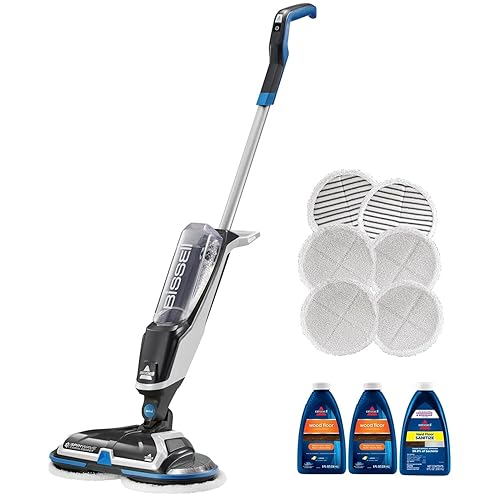
- Bissell Steam Mop Replacement Pads: a set of washable pads that suit everyday sealed-floor cleaning and make rotating between zones easy. View on Amazon
- Shark Steam Mop Replacement Pads: microfiber pads sized for a range of Shark steam mop models, useful for keeping a spare on hand. View on Amazon
- Tile grout brush attachment for steam mops: a narrow scrubbing head that targets joints and corners where flat pads struggle. View on Amazon
FAQ
What are the best steam mop attachments for tile?
For sealed tile, a standard microfiber pad covers open areas well. For grout lines and textured tile, a grout brush or scrubber head does the heavier work. Use the scrubber only on finishes that tolerate stiff bristles.
Can I use steam mop attachments on hardwood?
Some are suitable for sealed hardwood if the pad is damp, not wet. Avoid heavy scrubbers on hardwood and check your manufacturer’s guidance on steam use, since moisture can affect wood over time.
How often should I replace steam mop pads?
Replace pads when they lose absorbency, become matted or no longer clean evenly. Heavy use wears pads faster. Check the manufacturer’s recommended interval for your model.
Can I wash steam mop pads in the washing machine?
Many microfiber pads are machine washable on a gentle cycle, but check the care label first. Skip fabric softener and air-dry completely before storing.
Do I need a special attachment for pet hair?
A textured or looped pad helps lift hair from hard floors. Sweeping or vacuuming first makes the pad more effective and reduces clogging.
Is distilled water required for steam mop attachments?
Your manual sets the rule. Many owners use distilled water to reduce mineral buildup, which can affect performance over time, but some models specify plain tap water. Follow the manufacturer’s instructions.
Can steam mop attachments remove deep stains?
Steam and attachments help with surface grime and light residue. Deep or set-in stains may need targeted treatment. For valuable or delicate flooring, consult a flooring professional before attempting aggressive cleaning.
Are steam mop attachments safe for all floors?
No. Unsealed stone, some waxed finishes and certain engineered woods can be damaged by steam and abrasion. Always confirm your floor type and test in a hidden spot before full use.
Conclusion
The right steam mop attachment depends on your floor type, the grime you are dealing with and how much detail the job requires. Start with a microfiber pad for routine sealed-floor care, add a grout brush for tile lines and reserve scrubbers for surfaces that tolerate them. Keep pads clean and replace them when they stop performing, and your steam mop will stay effective for years.
Related reading
- Vinyl Floor Steam Mop: 7 Best Options for Sealed Vinyl Floors (2026)
- Top 6 Steam Mops for Tile Floors Picks for Every Need (2026)
- Top 6 Best Steam Mops for Hard Floors Compared in 2026
- Top 6 Best Steam Floor Mop Picks for Hard Floors and Tile in 2026
Ready to choose one?
About Owen Palmer
Owen Palmer is part of our editorial team and reviews and edits our non-vacuum cleaning gear guides, checking product details against manufacturer specifications and owner feedback.