 By Graham Fisher
Updated November 2026
Vileda spin mop replacement parts are easiest to buy once you know exactly which components wear out, how your model is labeled, and how each piece fits together. This guide walks you through identifying your mop, deciding what to replace, and swapping parts so your floors stay clean without buying a whole new system.
Why Vileda Spin Mop Replacement Parts Matter
A spin mop is a set of parts that work together: a handle, a bucket with a wringing mechanism, and a mop head that holds the microfiber or cotton pad. When one piece fails, the whole system often looks broken even though the rest is still usable. Replacing only the worn part is usually cheaper and more sustainable than retiring the entire mop.
Shopping for one? See our guide: Spin Mop Bucket Replacement Parts: 5 Best Picks for Clean Floors (2026).
Most owners end up needing replacement pads or heads first, because those take the most abuse. Handles and buckets tend to last much longer, though cracked wringer parts and worn gears can make the mop hard to use.
Step 1: Identify Your Vileda Model
Before you shop, confirm which model you own. Vileda sells several spin mop lines over the years, and their heads, buckets and handles are not always interchangeable. Check these places:
- The label or sticker on the bucket rim or inside the bucket.
- The model name printed on the handle or the base of the mop head.
- The original box or manual, if you still have them.
- The packaging of the replacement head you are currently using, which often lists compatible models.
Write the model name down. Searching by model rather than by general description reduces the chance of buying a head with a different attachment style.
Step 2: Decide Which Part Needs Replacing
Inspect each component before buying. Different symptoms point to different parts.
Mop Heads and Pads
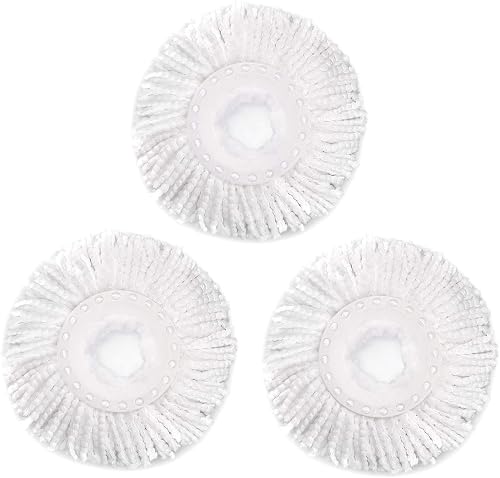
Replace the head when the pad no longer picks up water well, leaves streaks, smells sour even after washing, or has frayed edges that scratch floors. Microfiber pads usually need replacing sooner than cotton ones if they are washed in very hot water or dried on high heat, since heat can break down fibers.
Bucket and Wringer
Look for cracks in the basin, a loose or stiff spin plate, or a wringer that no longer squeezes the pad evenly. A bucket that leaks at the seam is usually not worth patching, but a worn wringer insert or drain component may be available separately.
Handle and Connectors
Check the telescoping section and the joint where the handle meets the head. Wobbling, cracked plastic, or a locking collar that won’t hold means the handle needs replacing. Do not use a handle with a cracked joint, since it can snap under pressure while you are pushing hard.
Step 3: Check Compatibility Before You Buy
Compatibility is where most mistakes happen. Use this checklist before adding anything to your cart:
- Confirm the exact model name of your mop or bucket.
- Check whether the part is listed as compatible with that model.
- Compare the attachment style: some heads snap on, others use a clip or screw-in connection.
- Measure the head width if you are replacing a pad only. Most standard heads are roughly 11 to 12 inches across, but measure yours to be sure.
- Confirm the handle diameter and length if you are buying a new stick.
If the listing is vague, skip it. A part that almost fits usually causes wobbling, poor wringing, or a head that falls off mid-mop.
Step 4: Swap the Mop Head
Changing a head takes less than a minute once you know the release mechanism.
- Remove the old head from the handle by pressing the release button or lifting the clip, depending on your model.
- Pull the head away from the base and set it aside.
- Align the new head so the connector points the same direction as the old one.
- Press or click the head into place until you hear or feel it lock.
- Give the head a gentle tug to confirm it is secure before you start mopping.
Wash new microfiber pads before first use. Manufacturers often recommend a rinse to remove manufacturing residue and to help the fibers open up for better pickup.
Step 5: Replace the Bucket or Wringer Components
If the bucket is the problem, work in this order:
- Empty the bucket and rinse it thoroughly.
- Remove the wringer insert or spin plate according to your model’s manual. Many use a simple lift-out design.
- Compare the old part with the replacement, paying attention to size, grip ridges and mounting tabs.
- Snap or seat the new component fully, then run a dry test by pressing the pedal or handle and checking that the head spins and wrings smoothly.
- Fill with water only after you confirm the mechanism works.
Step 6: Replace the Handle
When swapping the handle, make sure the telescoping section locks at your chosen height. Slide the handle to full extension and test by pushing gently in several directions. A properly seated handle should not twist or wobble when the head is pressed into the floor.
Quick Reference: Symptoms and Fixes
| Symptom | Likely Part | Action |
|---|---|---|
| Streaks or poor pickup | Mop head or pad | Wash or replace the pad |
| Pad stays too wet | Wringer insert | Inspect and replace if worn |
| Head falls off | Head connector | Check compatibility, replace head |
| Handle wobbles | Handle joint or lock | Replace handle section |
| Bucket leaks at seam | Bucket | Replace bucket |
| Spin plate won’t turn | Spin mechanism | Clean debris, then replace if still stuck |
Common Mistakes
- Buying by general name instead of model. Two heads that look identical can clip to different bases.
- Ignoring cracks. A cracked handle or bucket can fail suddenly and cause a fall or spill.
- Drying pads on high heat. Heat shortens microfiber life. Air dry when possible.
- Using fabric softener. Residue coats the fibers and reduces absorbency.
- Overloading the bucket. Too much water makes wringing harder and strains the mechanism.
Tips for Longer Part Life
- Rinse pads right after each use so dirt does not dry into the fibers.
- Replace pads on a schedule that fits your use, such as every few months for heavy household mopping.
- Store the mop with the head off the floor so it does not stay damp.
- Keep the spin mechanism free of grit, hair and grout dust.
Recommended gear
These items support the replacement process and help you keep parts in good shape:
- Vileda Ultramax Spin Mop Head Refill: A common replacement pad style that suits many Vileda spin mop systems, though you should still check that it matches your model. View on Amazon
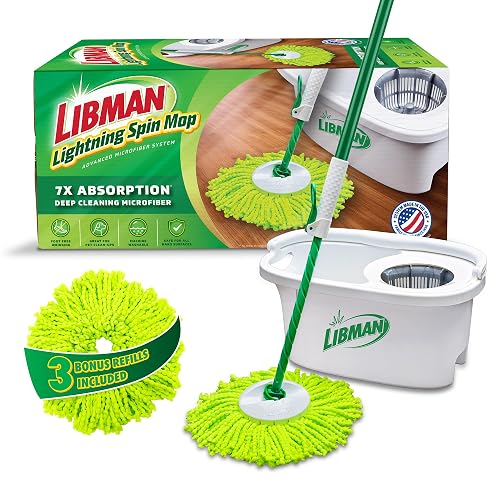
- Vileda Ultramax Spin Mop Kit: A full-system option useful if you need a complete bucket and head replacement set rather than individual parts. View on Amazon
- Vileda Replacement Microfiber Mop Head: Helpful when you need a spare head to rotate between washes so one pad is always clean. View on Amazon
If you are unsure which part fits your mop, check the model on the product page and the manufacturer’s manual before ordering. For more on matching heads to floors, see Vileda Spin Mop Replacement: 6 Best Picks for Every Floor (2026). If you are replacing a handle, Spin Mop Replacement Handle and Base: How to Match, Swap and Reuse Parts (2026) covers the fit questions in more detail. Owners with other brands may find Libman Spin Mop Replacement Parts: What to Buy and How to Swap Them and O Cedar Spin Mop Replacement Parts: Which to Buy and How to Swap Them (2026) useful for comparison. For buckets specifically, see Spin Mop Bucket Replacement Parts: How to Identify and Swap Them.
FAQ
Can I use replacement heads from a different spin mop brand?
Sometimes, but it is risky. Attachment styles differ, and a head that clips loosely can detach during use. Only mix brands if the listing explicitly confirms compatibility with your model.
How often should I replace the mop pad?
There is no fixed schedule, since use and washing habits vary. Replace the pad when it stops absorbing well, retains odor after washing, or starts leaving streaks.
Where do I find the model number on my Vileda mop?
Check the bucket label, the handle, the head base, and the original packaging or manual. The replacement head packaging often lists compatible models too.
Can I wash microfiber pads in the washing machine?
Many owners do, but use cool or warm water, skip fabric softener, and air dry. Follow the care label on your specific pad.
Why does my spin mop pad stay wet after wringing?
The wringer insert may be worn, the pad may be saturated with buildup, or the pad may be the wrong size for the mechanism. Clean the pad and inspect the wringer before replacing anything.
Is it worth replacing just the handle?
Yes, if the bucket and head still work. Confirm the handle connector matches your head and that the telescoping lock holds securely at full extension.
When should I replace the whole mop instead of individual parts?
Consider a full replacement if the bucket is cracked, multiple components are worn, or the spin mechanism has failed and cannot be cleaned or repaired. Replacing everything at once can cost more in time than swapping one part at a time, so weigh the condition of each piece.
Conclusion
Vileda spin mop replacement parts are easiest to choose when you start with the model name and the symptom. Identify which piece is failing, confirm compatibility, and swap only what needs replacing. Keep pads clean and dry them well to get the most life out of every component.
Ready to choose one?
About Graham Fisher
Graham Fisher is part of our editorial team and reviews and edits our non-vacuum cleaning gear guides, checking product details against manufacturer specifications and owner feedback.