 By Owen Palmer
Updated November 2026
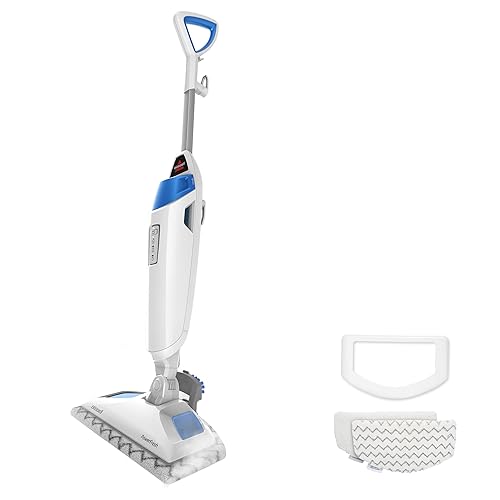
The Smart Living steam mop is a corded, lightweight option for people who want to clean hard floors with heat and water instead of harsh chemicals. It suits renters, small apartments and households with mostly tile, vinyl or sealed laminate who want a quick, low-effort mop for everyday messes. It is a weaker fit for owners of unsealed wood, large homes that need long runtimes, or anyone who expects a steam mop to scrub heavy grime or deep-clean grout lines. Read on for the specs, the trade-offs and a buying checklist so you can decide whether this model matches your floors.

Smart Living Steam Mop Plus,White and Green
Product Overview
The Smart Living Steam Mop Plus is a standard upright steam mop in white and green. It uses a water tank that heats water into steam, which is released through the pad head to loosen dirt and sanitize the surface. The design is aimed at quick spot cleaning and general floor refreshing rather than heavy-duty restoration work.
Steam mops in this category work by pairing a heating element with a small reservoir. Once the unit reaches temperature, a trigger or button releases steam, and a washable microfiber pad glides across the floor. If you are new to this type of tool, our guide How to Choose a Steam Mop explains the core differences between models before you compare specs.
Because this is a research-based review, the observations below rely on the product’s published specifications and patterns that owners commonly describe. They are not the result of hands-on testing.
Key Features & Specifications
The table below lists the characteristics most relevant to floor-type matching. Where a manufacturer detail is not confirmed for this exact listing, it is left out rather than estimated.
| Feature | What It Means for You |
|---|---|
| Product type | Corded upright steam mop |
| Power source | Mains electric; no battery to recharge |
| Pad type | Washable microfiber-style pad (replaceable) |
| Steam function | Steam released on demand through the head |
| Suitable floors | Sealed tile, sealed vinyl, sealed laminate (confirm with the manual) |
| Storage | Upright footprint, suitable for closets and corners |
Check the manufacturer’s manual for exact tank capacity, heat-up time and cord length before you buy, since these vary between versions of this model.
Pros & Cons
Pros
- Corded design means steam output does not drop off during a session.
- Lightweight, upright frame that is easy to push across a room.
- No cleaning solution required for basic steam cleaning, which keeps routine costs down.
- Washable pads can be reused many times, reducing waste.
- Upright storage footprint suits small kitchens and apartments.
Cons
- Cord length limits how far you can clean without moving an outlet.
- Not a fit for unsealed wood or floors the manufacturer does not list as steam-safe.
- Limited scrubbing power compared with models that include a dedicated scrubber brush.
- Tank volume means you will refill during larger cleaning jobs.
- Owners sometimes report that grout lines need a separate tool or brush.
Performance Analysis
Steam mops perform best on sealed hard surfaces where heat and moisture can loosen sticky residue, food spatter and everyday dust without leaving much liquid behind. For this Smart Living model, that means sealed tile and sealed vinyl are the strongest use cases. Owners of similar corded units commonly report good results on kitchen tile and entryway floors, especially when they make two or three passes over the same area.
Where expectations can go wrong is in heavier grime. A steam mop relies on heat, not agitation, so dried-on spills, pet tracks or sticky residue may need a second pass or a manual spot treatment first. Owners frequently mention that the pad does most of the work and that pad cleanliness matters: a dirty pad spreads grime rather than lifting it, so rinsing or swapping pads mid-session helps.
Streaking is another common topic. Tap water mineral deposits can leave faint marks on glossy tile and laminate. Using distilled water is a widely recommended fix, and you can read more in Steam Mop Distilled Water: 6 Best Options for Streak-Free Floors (2026). Heat-up time and steam consistency are also worth checking against your own patience for setup, since corded steam mops usually need a short warm-up before the first pass.
For wood, the picture is more cautious. Sealed wood and laminate can be cleaned with steam only if the manufacturer of your flooring approves it, and unsealed wood should be avoided entirely. Before using any steam mop on wood, read Steam Mop for Hardwood: How to Clean Floors Without Damage (2026) and check your floor’s care guide.
Who Should Buy This Product?
This model fits a particular profile well. It suits households with mostly sealed tile, vinyl or laminate who want a simple, no-chemicals option for routine cleaning. Renters with small spaces, people who dislike battery charging, and anyone who wants a light, compact unit for kitchens and hallways will likely find it a good match.
It is a less suitable choice if your home is mostly unsealed wood, if you have large open-plan floors that require long continuous runs, or if you need strong scrubbing for heavy buildup. Households with pets that track in mud may also want a model with a scrubber, and our roundup of Top 5 Steam Mops with Scrubber Models for Hard Floors covers those options. Owners of pet homes should also consider Bissell Steam Mop Pet: 6 Best Models for Pet Owners (2026).
Buying Guide
Before you buy any steam mop, match it to your floor material first. Sealed tile and sealed vinyl are the most forgiving. Laminate and sealed wood need a model and a care routine that the flooring maker approves. Our overview Steam Mop Surface Compatibility: Laminate, Tile, Sealed Wood and More is a useful reference.
Use this checklist when comparing models:
- Floor type: Confirm that steam is listed as safe for your specific surface.
- Power style: Corded models avoid battery limits but restrict range. Cordless models add freedom but need charging.
- Cleaning tools: A scrubber or edge tool helps with grout and corners.
- Pad system: Check that replacement pads are easy to find and wash well.
- Water type: Plan on distilled or demineralized water to reduce streaks and mineral buildup.
Some well-known alternatives to consider, depending on your priorities:
-
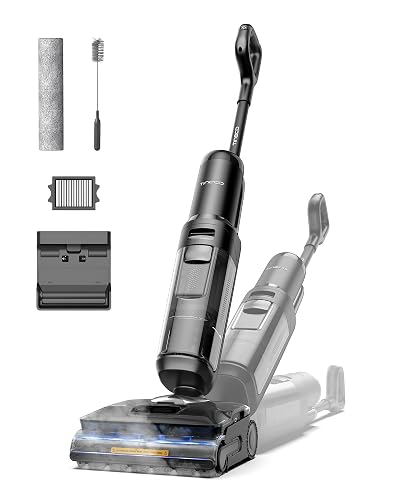
Tineco Floor One S7 Stretch Steam Cordless Wet Dry Vacuum Steam Mop All-in-One, 320℉ HyperSteam, 180° Lay-Flat, Anti-Tangle Design, FlashDry Self-Cleaning, Up to 75 Min Runtime
– A cordless wet-dry option with steam and self-cleaning features, useful if cord length is your main concern. View on Amazon
-
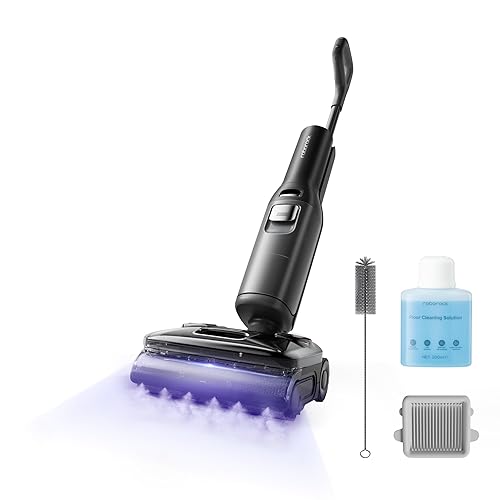
Cordless Vacuum Mop and Cleaner, Floor Steamer with Blue Light, 194°F Self-Cleaning, 180° Lie-Flat, AI Assitant Wheels, APP roborock F25 Ultra Steam Wet Dry Vacuum Mop, 356°F Steam, 187°F Hot Water
– A cordless vacuum-mop combination with steam and app-based controls, suited to buyers who want a multi-surface machine. View on Amazon
If your priority is a simple, budget-friendly steam mop for sealed hard floors, the Smart Living model is a reasonable pick. If you want a broader cleaning tool that also handles vacuuming, the alternatives above may be a better fit.
FAQ
Can I use the Smart Living steam mop on laminate?
Only if the laminate is sealed and the flooring manufacturer allows steam. Check your floor’s care instructions first, and use the lowest effective steam output. For step-by-step guidance, see Steam Mop on Laminate: A Safe Step-by-Step Guide (2026).
Is it safe for hardwood floors?
Sealed hardwood may tolerate steam when the manufacturer approves it, but unsealed wood should never be steamed. If you are unsure, consult the flooring installer or manufacturer before use.
Do I need to use distilled water?
Manufacturers commonly recommend distilled or demineralized water to reduce mineral buildup and streaking. Tap water can work, but it may leave marks on glossy surfaces over time.
How often should I replace the pad?
Replace or rinse pads when they look grimy or lose their softness. Washing after each session and replacing them when they wear out keeps cleaning results consistent.
Will it clean grout lines well?
A steam mop can freshen grout surfaces, but deep grime in narrow lines usually needs a brush or dedicated tool. Our guide Steam Mop Grout Cleaning: A Step-by-Step Guide for Cleaner Tile Lines covers the process.
Is it safe to use around pets?
Steam can help sanitize surfaces, but keep pets out of the area while the floor is hot and let it dry before they walk on it. Owners of pet homes should also review Steam Mop for Fleas: 5 Best Options for Pet Homes (2026) for related considerations.
Can a steam mop replace a vacuum?
No. A steam mop cleans wet surfaces and does not pick up loose debris well. Pair it with a vacuum or sweeper for best results.
Final Verdict
The Smart Living steam mop is a practical, corded option for sealed tile, vinyl and laminate in small to medium homes. It is simple to use, requires no cleaning solution for basic steam work and keeps your floors free of harsh residue. It is not the right tool for unsealed wood, heavy scrubbing or large open spaces that need long runtimes.
If your floors match its strengths and you can work with a cord, it is a sensible buy. Check the product page for current specifications and compatibility notes before you order.
About Owen Palmer
Owen Palmer is part of our editorial team and reviews and edits our non-vacuum cleaning gear guides, checking product details against manufacturer specifications and owner feedback.