 By Graham Fisher
Updated November 2026
Shopping for a green work pressure washer usually comes down to matching the machine to the job. A washer rated at 1600 PSI handles patio furniture and vehicles well, while a 3000 PSI model is better suited to concrete, stubborn grime and larger surfaces. This list compares seven Greenworks electric pressure washers across pressure output, flow rate, motor type and the kinds of cleaning each one fits best. We weighed published specifications, brand reputation for electric models and patterns in owner feedback about pressure consistency, hose length and ease of setup.
Our top picks at a glance
- 1
 TOP CHOICEBest overallGreenworks 3000 PSI (2.0 GPM Max) Brushless Electric Pressure WasherView on Amazon
- 2
 TOP CHOICEBest for heavy concreteGreenworks 2700 PSI (2.3 GPM Max) Brushless Electric Pressure WasherView on Amazon
- 3
 TOP CHOICEBest for vehicles and sidingGreenworks 2100 PSI (1.2 GPM) Electric Pressure WasherView on Amazon
- 4
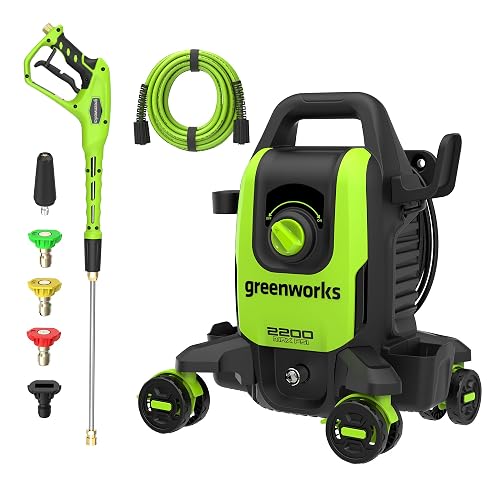 Best for a mid-range balanceGreenworks 2200 PSI (1.2 GPM Max) Electric Pressure WasherView on Amazon
- 5
 Best for decks and patio furnitureGreenworks 2000 PSI (1.2 GPM) Electric Pressure WasherView on Amazon
- 6
 Best for light outdoor tasksGreenworks 1700 PSI (1.2 GPM) Electric Pressure WasherView on Amazon
- 7
 Best budget pickGreenworks 1600 PSI (1.2 GPM) Electric Pressure WasherView on Amazon
Our Top Picks
Quick Comparison
| Product | Best for | Key feature |
|---|---|---|
| Greenworks 3000 PSI (2.0 GPM Max) Brushless Electric Pressure Washer | Overall versatility and heavier jobs | 3000 PSI with brushless motor |
| Greenworks 2100 PSI (1.2 GPM) Electric Pressure Washer | Cars, siding and general outdoor cleaning | Balanced pressure for softer surfaces |
| Greenworks 2700 PSI (2.3 GPM Max) Brushless Electric Pressure Washer | Concrete, driveways and large areas | Highest flow rate in the list |
| Greenworks 1600 PSI (1.2 GPM) Electric Pressure Washer | Light tasks and first-time buyers | Lowest pressure, easiest control |
| Greenworks 2200 PSI (1.2 GPM Max) Electric Pressure Washer | Mid-range everyday use | Step-up pressure from entry models |
| Greenworks 1700 PSI (1.2 GPM) Electric Pressure Washer | Patios, fences and outdoor furniture | Compact, light-duty output |
| Greenworks 2000 PSI (1.2 GPM) Electric Pressure Washer | Decks and patio surfaces | Middle-ground pressure for wood and composite |
Greenworks 3000 PSI (2.0 GPM Max) Brushless Electric Pressure Washer
Greenworks 3000 PSI (2.0 GPM Max) Brushless Electric Pressure Washer
Best for: Overall versatility and heavier jobs
This is the most powerful model in the list and suits homeowners who clean concrete, brick and stubborn algae or oil stains regularly. Its brushless motor is generally associated with longer service life and quieter, more consistent operation than brushed designs.
Key specs
- Pressure: 3000 PSI maximum
- Flow rate: 2.0 GPM maximum
- Motor: Brushless electric
Pros
- Enough pressure for concrete and tough grime
- Brushless motor suits frequent use
- Covers a wide range of outdoor tasks
Cons
- Higher pressure needs careful nozzle selection on wood and vinyl
- Heavier than the lower-PSI models
Bottom line: A strong choice for homeowners who want one machine that handles nearly every outdoor surface, provided they use the right tips.
Greenworks 2100 PSI (1.2 GPM) Electric Pressure Washer
Greenworks 2100 PSI (1.2 GPM) Electric Pressure Washer
Best for: Cars, siding and general outdoor cleaning
Owners who wash vehicles, vinyl siding or patio furniture often find that 2100 PSI offers enough force without the risk of etching paint or gouging softer materials.
Key specs
- Pressure: 2100 PSI
- Flow rate: 1.2 GPM
Pros
- Gentler output suited to vehicles and siding
- Lower flow keeps water use modest
- Simple to set up for first-time users
Cons
- Slower on heavy concrete than higher-PSI models
- Limited for large driveways
Bottom line: Best for people who prioritize surface safety over raw power.
Greenworks 2700 PSI (2.3 GPM Max) Brushless Electric Pressure Washer
Greenworks 2700 PSI (2.3 GPM Max) Brushless Electric Pressure Washer
Best for: Concrete, driveways and large areas
The higher flow rate here means more water moving across the surface per minute, which shortens time on large flat areas such as driveways and walkways.
Key specs
- Pressure: 2700 PSI
- Flow rate: 2.3 GPM maximum
- Motor: Brushless electric
Pros
- High flow speeds up large surfaces
- Brushless motor for durability
- Good balance of pressure and coverage
Cons
- Flow demand may stress smaller garden hoses
- Overkill for light patio work
Bottom line: Ideal for homeowners with large hard-surface areas who want faster coverage.
Greenworks 1600 PSI (1.2 GPM) Electric Pressure Washer
Greenworks 1600 PSI (1.2 GPM) Electric Pressure Washer
Best for: Light tasks and first-time buyers
This entry-level model suits people who mainly need to rinse patio furniture, grills and small walkways and want a machine that is easy to control.
Key specs
- Pressure: 1600 PSI
- Flow rate: 1.2 GPM
Pros
- Easy to handle and control
- Low pressure reduces risk of surface damage
- Good starter machine
Cons
- Struggles with set-in grime and concrete
- Limited for large jobs
Bottom line: A sensible first washer for light cleaning around the home.
Greenworks 2200 PSI (1.2 GPM Max) Electric Pressure Washer
Greenworks 2200 PSI (1.2 GPM Max) Electric Pressure Washer
Best for: Mid-range everyday use
Sitting between the entry-level and mid-power models, this washer suits users who have outgrown a 1600 PSI machine but do not need the force of a 3000 PSI unit.
Key specs
- Pressure: 2200 PSI
- Flow rate: 1.2 GPM maximum
Pros
- Noticeable step up from entry models
- Manageable for most household surfaces
- Versatile for vehicles and decks
Cons
- Not enough for heavy concrete restoration
- Flow rate is modest for large areas
Bottom line: A balanced choice for regular, moderate cleaning.
Greenworks 1700 PSI (1.2 GPM) Electric Pressure Washer
Greenworks 1700 PSI (1.2 GPM) Electric Pressure Washer
Best for: Patios, fences and outdoor furniture
Light-duty output makes this model a reasonable fit for fences, garden furniture and small paved areas where gentleness matters more than speed.
Key specs
- Pressure: 1700 PSI
- Flow rate: 1.2 GPM
Pros
- Light-duty pressure for delicate surfaces
- Compact and easy to store
- Simple controls
Cons
- Limited power for stubborn stains
- Not suited to large concrete areas
Bottom line: Good for light outdoor chores in a small yard.
Greenworks 2000 PSI (1.2 GPM) Electric Pressure Washer
Greenworks 2000 PSI (1.2 GPM) Electric Pressure Washer
Best for: Decks and patio surfaces
At 2000 PSI, this washer offers enough pressure to lift dirt from wood decks and composite boards when used with a wider tip, without the aggressiveness of higher-PSI models.
Key specs
- Pressure: 2000 PSI
- Flow rate: 1.2 GPM
Pros
- Suitable for decks and patio stone
- Moderate pressure reduces wood-fiber damage
- Easy to maneuver
Cons
- Slower on large areas
- Requires care with wood grain
Bottom line: A practical pick for deck and patio maintenance.
Buying Guide
Pressure output (PSI)
Match PSI to your surface. Light tasks like outdoor furniture and vehicles generally call for lower pressure, often in the 1500 to 2000 PSI range. Concrete and heavy grime usually need 2500 PSI or higher. Higher pressure is not always better; too much force can etch paint or strip wood.
Good picks for this: Greenworks 1600 PSI (1.2 GPM) Electric Pressure Washer, Greenworks 2700 PSI (2.3 GPM Max) Brushless Electric Pressure Washer
Flow rate (GPM)
Flow rate, measured in gallons per minute, affects how quickly you cover a surface. A higher GPM rinses large areas faster, while a lower GPM keeps water use down. For driveways and large patios, a higher flow rate saves considerable time.
Good picks for this: Greenworks 2700 PSI (2.3 GPM Max) Brushless Electric Pressure Washer, Greenworks 3000 PSI (2.0 GPM Max) Brushless Electric Pressure Washer
Motor type
Brushless motors are generally associated with longer service life and quieter operation than brushed motors. If you plan frequent use, this feature is worth weighing.
Good picks for this: Greenworks 3000 PSI (2.0 GPM Max) Brushless Electric Pressure Washer, Greenworks 2700 PSI (2.3 GPM Max) Brushless Electric Pressure Washer
Surface type and size
Think about what you clean most. Vinyl siding and car paint need gentler settings, while concrete tolerates more force. Measure your largest area to judge whether a low or high flow rate will feel practical.
Good picks for this: Greenworks 2100 PSI (1.2 GPM) Electric Pressure Washer, Greenworks 2000 PSI (1.2 GPM) Electric Pressure Washer
Hose and nozzle compatibility
Check the hose length and the nozzle set that comes with the unit. Standard quick-connect tips usually cover common needs: a 40-degree tip for general cleaning and a 15-degree tip for stubborn spots. Wider fan tips reduce the risk of damage on delicate materials. Hose length also affects reach, so measure the distance from your outlet to the work area.
Good picks for this: Greenworks 2200 PSI (1.2 GPM Max) Electric Pressure Washer, Greenworks 1700 PSI (1.2 GPM) Electric Pressure Washer
Portability and storage
Electric washers are generally lighter than gas models and easier to store in a garage. Consider the weight of the unit and whether you will need to carry it up stairs or into a shed.
Good picks for this: Greenworks 1700 PSI (1.2 GPM) Electric Pressure Washer, Greenworks 1600 PSI (1.2 GPM) Electric Pressure Washer
Care and maintenance
Flush the pump after each use with clean water, avoid running the machine dry, and store it where it will not freeze. Check inlet filters regularly, since clogged filters are a common cause of pressure loss. Consult the owner’s manual for model-specific maintenance intervals.
Good picks for this: Greenworks 3000 PSI (2.0 GPM Max) Brushless Electric Pressure Washer, Greenworks 2000 PSI (1.2 GPM) Electric Pressure Washer
FAQ
What PSI do I need for a green work pressure washer?
For cars, siding and furniture, 1600 to 2100 PSI is usually sufficient. Concrete and heavy grime generally call for 2700 PSI or higher. Always start on a low setting and test in an inconspicuous spot.
Is a brushless motor worth it?
Brushless motors are generally associated with longer lifespan and quieter operation. If you expect frequent use, the feature can be worthwhile, though lighter occasional use may not require it.
Can I use a green work pressure washer on my car?
Yes, but use a wide-angle tip and maintain a safe distance. Lower-PSI models such as the 2100 PSI unit are commonly recommended for vehicles to reduce the risk of paint damage.
What is the difference between PSI and GPM?
PSI measures the force of the water stream, while GPM measures the volume of water delivered per minute. Cleaning power depends on both, so a balanced combination often works best.
Do I need a special hose for a pressure washer?
Use a hose rated for the pressure and flow of your washer. Standard garden hoses may not withstand the output, so check the manufacturer’s recommendation before connecting.
How do I maintain an electric pressure washer?
Flush the system after each use, store the unit in a dry place, and inspect filters and hoses regularly. Follow the maintenance schedule in your owner’s manual.
Conclusion
For most homeowners, the Greenworks 3000 PSI model offers the broadest range of capability, while the 2100 PSI and 2000 PSI units suit gentler surfaces. The 2700 PSI brushless model is the best fit for large hard-surface areas, and the 1600 and 1700 PSI machines serve light outdoor chores well. Match the PSI and flow rate to your most common job, and choose the model whose output fits your surfaces rather than the one with the highest number on the box.
Sources
- Consumer safety guidance on using outdoor power equipment and avoiding injury (cpsc.gov)
- Information on water use and conservation practices for outdoor cleaning (epa.gov)
- Workplace safety guidance on pressure equipment and hose handling (osha.gov)
Related reading
- Why Does My Gas Pressure Power Washer Lose Pressure? 6 Causes and Fixes
- Water Pressure Washer Rental: A Step-by-Step Guide for First-Timers
- Top 8 Gas High Pressure Washer Picks for Home and Heavy-Duty Jobs
About Graham Fisher
Graham Fisher is part of our editorial team and reviews and edits our non-vacuum cleaning gear guides, checking product details against manufacturer specifications and owner feedback.









Write Your Review
No reviews yet. Be the first to share your experience!