 By Owen Palmer
Updated November 2026
A steam cleaner can cut through soap scum, mildew film and mineral buildup on shower tile without harsh chemicals. This guide walks you through using a steam cleaner to clean a shower safely, from prep to final rinse, so you get a clean surface and avoid damaging grout, sealant or fixtures.
What a Steam Cleaner Does Well in a Shower
Steam works by heating water to a vapor that loosens grime and lifts it from hard surfaces. It handles ceramic and porcelain tile, glass doors and fiberglass or acrylic walls well. Grout can be cleaned too, though it needs more passes and a bit of patience. Most manufacturers recommend keeping the nozzle moving to avoid overheating a single spot, and many advise testing on a hidden area before treating the whole shower.
Shopping for one? See our guide: 7 Best Steam Clean Carpet Cleaner Picks for Home Use (2026).
Step-by-Step: Cleaning Tile and Grout With Steam
Start by clearing the shower of shampoo bottles, loofahs and other items. Run the shower briefly to warm the space and rinse away loose debris. Then work from the top down so drips don’t re-soil areas you’ve already cleaned.
- Pre-scrub heavy soap scum with a non-abrasive pad and a mild dish soap, then rinse.
- Fill the steam cleaner and let it reach full pressure according to the manufacturer’s instructions.
- Attach a small brush or squeegee head if your model includes one, and start at the top of a wall section.
- Pass the nozzle slowly across grout lines, holding it about an inch from the surface for several seconds before moving on.
- Wipe the loosened residue with a clean microfiber cloth, rinsing the cloth often.
- Steam glass doors last, using a squeegee pass from top to bottom, then buff dry.
- Ventilate the bathroom by running the exhaust fan for at least 20 minutes afterward.
Check Your Grout and Sealant First
Cracked or unsealed grout can absorb moisture and may degrade under repeated heat. If you see hairline cracks or crumbling, pause and repair before steaming. Silicone caulk at corners and around the tub should be checked too, since prolonged heat can soften older sealant. If you’re unsure about the condition of your grout or sealant, consult a tile professional before proceeding.
Tools and Setup Checklist
- Steam cleaner with a brush or squeegee attachment
- Non-abrasive scrub pad and mild dish soap
- Microfiber cloths (several)
- Squeegee for glass
- Bathroom exhaust fan or open window
- Protective gloves and eye protection
Recommended Gear
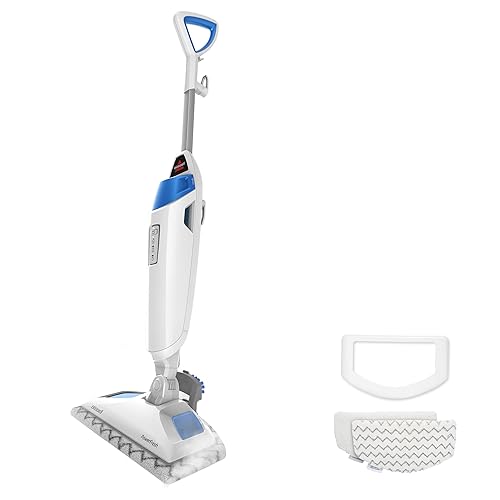
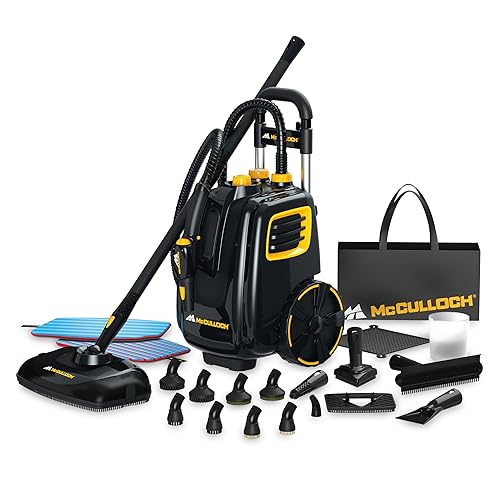
A steam cleaner with a small brush head makes grout lines easier to reach, and a compact model with a flexible hose helps in tight corners. A dedicated squeegee is useful for glass doors because it leaves fewer streaks than a cloth alone. Look for these in the store:
- Small brush attachment for grout: View on Amazon
- Glass squeegee for shower doors: View on Amazon
- Microfiber cleaning cloths: View on Amazon
Common Mistakes to Avoid
- Holding the nozzle in one spot, which can damage sealant or overheat tile.
- Skipping the pre-scrub, leaving thick soap scum that needs repeated passes.
- Using the steam cleaner on natural stone without checking the manufacturer’s guidance first.
- Forgetting to dry glass and fixtures, which can leave mineral spots.
- Steaming over damaged grout or peeling caulk, which can let water seep behind the wall.
For more on floors and surfaces, see Steam Cleaner to Clean Tile Grout: A Step-by-Step Guide for Better Results and Tile and Grout Steam Cleaner Machine: A Step-by-Step Guide for Clean Lines. If you want a broader look at the grout side of the job, Clean Grout Steam Cleaner: A Step-by-Step Guide for Brighter Tile Lines covers the basics in more depth.
FAQ
Can a steam cleaner damage shower tile?
Glazed ceramic and porcelain tile generally handle steam well. Keep the nozzle moving, avoid prolonged heat on one spot, and test a hidden area first.
How often should I steam a shower?
Many people steam every few weeks to keep soap scum and mildew in check. Heavily used showers may need more frequent cleaning.
Is steam cleaning enough to kill mold?
Steam can remove surface mold and mildew, but deep or recurring mold may need further treatment. If you see extensive growth, consult a professional remediation service.
Conclusion
With the right prep, a steady technique and proper drying, a steam cleaner can refresh shower tile, grout and glass without harsh chemicals. Check your grout and sealant first, work from top to bottom, and ventilate the room afterward. Following these steps will help keep your shower cleaner for longer.
Ready to choose one?
About Owen Palmer
Owen Palmer is part of our editorial team and reviews and edits our non-vacuum cleaning gear guides, checking product details against manufacturer specifications and owner feedback.




Write Your Review
No reviews yet. Be the first to share your experience!