 By Graham Fisher
Updated November 2026
A tsmine Rinsewise spin mop works best when you match the rinse-and-wring routine to how dirty your floor is. This guide walks through setup, rinsing, wringing and cleaning so you can get a streak-free finish without carrying dirty water around the room. The basic method applies to most spin mops with a separate bucket and wringing basket.
What You Need Before You Start
Gather the basics before you fill anything. Having everything within reach keeps you from leaving wet floors unattended or tracking dirty water across clean areas.
Shopping for one? See our guide: 6 Best Replace Spin Mop Heads for Easy Floor Cleaning (2026).
- The mop head and handle, assembled and seated firmly
- The bucket with its spin basket
- Warm water and a pH-neutral floor cleaner that suits your floor type
- A dry microfiber pad or a second cloth for drying high-gloss spots
If you are not sure which cleaner suits your floor, check the manufacturer’s floor guidance first. For a deeper look at pairing cleaners with spin mops, see What Cleaner to Use With O-Cedar Spin Mop: A Practical Guide (2026).
Step-by-Step: Using the Rinsewise Spin Mop
The core routine is simple: fill, clean, wring, repeat. Keep the water level low enough that the spin basket does not splash when you press down.
- Place the spin basket inside the bucket and fill the reservoir to the marked line, not above it.
- Add a measured amount of floor cleaner. More is not better; excess residue is a common cause of dull, sticky floors.
- Dip the mop head, then press the handle down on the basket to wring out excess water until the pad is damp, not dripping.
- Mop in a figure-eight pattern, working about 3 to 4 feet at a time, and keep the pad moving so it does not sit in one spot.
- When the pad looks grey or the water turns cloudy, rinse it in the basket with clean water and wring again before continuing.
How to Rinse and Wring Effectively
Rinsing matters more than most people expect. A pad loaded with dirty water spreads grime instead of lifting it, which is why many streaks come from the rinse step being skipped rather than from the cleaner itself.
Change the water once it gets noticeably dirty. Most owners find that a bucket of clean water handles one to two rooms before it needs replacing, depending on how much soil the floors carry. Pressing the head down firmly on the spin basket removes more water than a light squeeze, which keeps the floor from getting overly wet.
Choosing Floor Type and Cleaning Frequency
The spin mop method suits sealed hard floors such as vinyl, laminate, tile and sealed wood. It is not a good match for unsealed wood, natural stone that is prone to etching, or carpet. For sealed hardwood, keep the pad only lightly damp and always dry the floor after mopping to avoid swelling at the seams.
For a broader comparison of how spin mops stack up against other options on hard floors, read Spin Mop vs Flat Mop (2026): Which Is Better for Your Floors?. If you are weighing a spin mop against a steam option for sanitizing, Spin Mop vs Steam Mop (2026): Which Is Better for Your Floors? covers the trade-offs.
Common Mistakes to Avoid
- Overfilling the bucket, which makes wringing messy and leaves the pad too wet.
- Using too much cleaner, which leaves a sticky film that attracts dirt.
- Skipping the rinse step and mopping with a gray, dirty pad.
- Letting the pad sit in one spot, which can leave water marks.
- Failing to dry sensitive floors, especially sealed wood and laminate.
Recommended Gear
A few supplies make the routine easier and help your floors look better between mopping sessions.
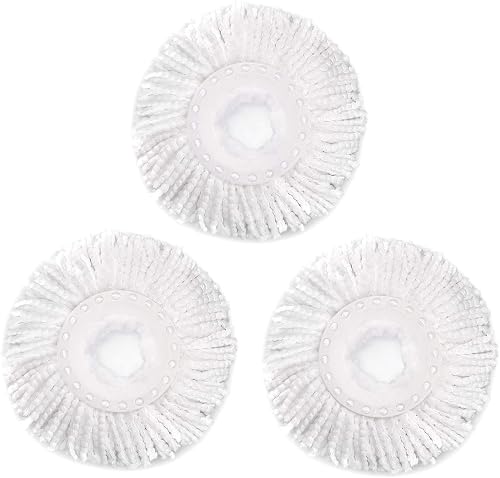
- Microfiber mop pad refills: Replacing worn pads keeps the head absorbent and reduces streaking. View on Amazon
- pH-neutral floor cleaner: A gentle formula is safer for sealed floors than harsh alkaline products. View on Amazon
- Microfiber drying cloth: A dry cloth picks up leftover moisture on glossy or sensitive surfaces. View on Amazon
FAQ
How often should I change the water in the bucket?
Change it as soon as it looks cloudy or dirty, which is usually after one or two rooms. Clean water keeps the pad from spreading grime across the floor.
Can I use a tsmine Rinsewise spin mop on laminate?
Yes, as long as you keep the pad only lightly damp and dry the floor afterward. Check the manufacturer’s floor guidance for any cleaner restrictions.
Why does my floor look streaky after mopping?
Streaks usually come from too much cleaner, a dirty pad or leftover moisture. Rinse the pad more often, use less product and dry the surface if needed.
Conclusion
Using a tsmine Rinsewise spin mop well comes down to a few habits: keep the water level in check, wring firmly, and rinse the pad before it gets dirty. Match your cleaner and moisture level to your floor type, and dry sensitive surfaces. If your floors need a specialized approach, consult the manufacturer or a flooring professional before changing your routine.
Related reading
- Where to Buy Spin Mop: 5 Places to Find the Right One (2026)
- True and Tidy Spin Mop: 7 Best Options Compared for Hard Floors (2026)
- Spin Mop and Pail: How to Use One Correctly for Clean Floors
Ready to choose one?
About Graham Fisher
Graham Fisher is part of our editorial team and reviews and edits our non-vacuum cleaning gear guides, checking product details against manufacturer specifications and owner feedback.