 By Owen Palmer
Updated November 2026
Using a steam cleaner on rug fibers can lift embedded dirt, freshen odors and brighten faded pile in a single session. The key is matching the method to your rug type, pre-treating stains, and keeping moisture under control so the backing and padding stay dry. This guide walks you through the process from start to finish.
Check Your Rug Before You Start
Not every rug tolerates heat and water. Look at the label first. Wool, cotton, and most synthetic rugs handle steam well, while silk, viscose, and rugs with natural latex backing often do not. Vintage or hand-knotted pieces with glued or fragile foundations also need extra caution.
Turn the rug over and press a damp white cloth against the back. Check for bleeding dye, and do a patch test on a hidden corner. If color transfers to the cloth or the fibers look fuzzy after a few minutes, stop and consult a professional rug cleaner.
Prepare the Rug and the Room
Preparation makes the difference between a clean rug and a soggy one. Vacuum thoroughly, because steam pushes loose grit deeper into the pile if you skip this step. Move furniture off the rug, and pull back any fringe so it does not get soaked.
- Vacuum the rug on both sides with a strong suction setting.
- Pre-treat visible stains with a rug-safe spot cleaner and let it dwell for the time listed on the label.
- Open windows or run a fan to speed up drying.
- Set out clean, dry towels and a box fan for later.
- Confirm your steam cleaner is filled with distilled water and has been cleared of old solution.
How to Steam Clean a Rug Step by Step
Work in small sections, roughly two feet at a time, so you never overwet any single area. Keep the nozzle moving in one direction, following the pile, rather than scrubbing back and forth.
Set the Right Heat and Pressure
Use the lowest effective steam setting for your rug. Many manufacturers recommend a lower temperature for wool and a higher one for synthetic fibers. If your machine has adjustable pressure, start low and increase only if the dirt does not lift.
Pass the Steam Head Slowly
Spray and pass in slow, overlapping strokes. Follow each pass with suction to extract the loosened dirt and moisture. Repeat once or twice on heavily soiled areas rather than soaking the fibers in one go.
Dry the Rug Fast to Prevent Problems
Trapped moisture causes mildew, odor and backing damage, so drying matters as much as cleaning. Blot any standing water with towels, then lift the rug if possible and place it so air reaches both sides. Run fans directly over the surface for several hours. Most rugs need a full day to dry completely, and thicker wool may take longer. Do not walk on the rug until it is dry to the touch.
Common Mistakes to Avoid
- Skipping the vacuum step, which turns loose dirt into a muddy residue.
- Using tap water, which can leave mineral deposits and spotting.
- Applying too much steam or moisture in one spot.
- Leaving the rug damp on a padded floor, which invites mildew.
- Cleaning delicate or antique rugs without checking manufacturer guidance first.
Recommended Gear
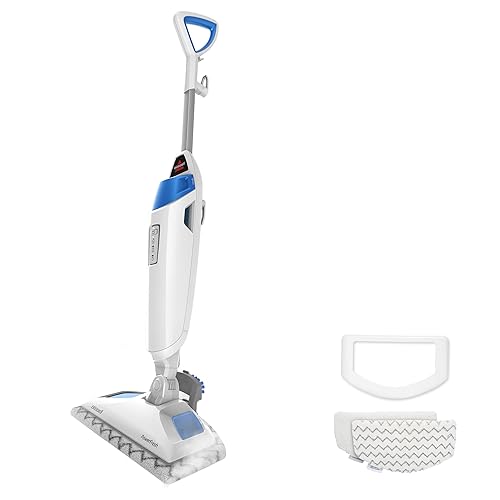
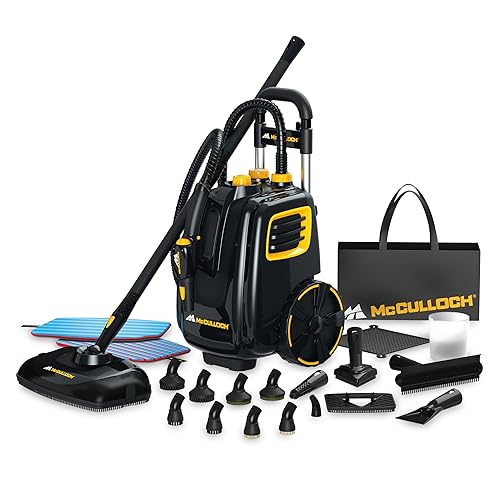
A steam cleaner with adjustable heat and suction makes it easier to control moisture on rugs. Look for a model with a dedicated upholstery or hard-surface tool for edges and corners. View on Amazon
Distilled water helps prevent mineral buildup in the tank and on the fibers. View on Amazon
Box fans speed drying and reduce the risk of mildew under the rug. View on Amazon
If you are weighing rental options or want to compare machines before you buy, read Steam Cleaner to Rent: How to Choose and Use One for Floors and Carpet and Rug Doctor Steam Cleaner Rental: A Step-by-Step Guide for Home Use. For a rug-focused product comparison, see 3 Best Rug Steam Cleaner Machine Picks for Home Use (2026). Hardwood and laminate owners placing rugs over those floors should also read Steam Cleaner for Hardwood: A Step-by-Step Guide for Safe Results.
FAQ
Can I use a steam cleaner on any rug?
Not always. Check the care label and do a hidden patch test first. Delicate fibers such as silk and viscose, and rugs with natural latex backing, are often best left to a professional.
How long does a steam-cleaned rug take to dry?
Most rugs need several hours to a full day with fans and airflow. Thick wool and rugs on padding can take longer, so keep the room ventilated.
Is distilled water necessary?
It is recommended because it leaves fewer mineral deposits on fibers and in the machine. Tap water can work in hard-water areas, but it may leave residue over time.
Conclusion
A steam cleaner on rug fibers can restore freshness and lift embedded dirt when you prepare properly and control moisture. Test first, work in small sections, and dry the rug completely. When in doubt about an antique or delicate piece, consult a professional rug cleaner.
Related reading
- Vapor Clean Steam Cleaner: A Step-by-Step Guide for Better Results
- Tile and Grout Steam Cleaner Machine: A Step-by-Step Guide for Clean Lines
Ready to choose one?
About Owen Palmer
Owen Palmer is part of our editorial team and reviews and edits our non-vacuum cleaning gear guides, checking product details against manufacturer specifications and owner feedback.



Write Your Review
No reviews yet. Be the first to share your experience!