 By Owen Palmer
Updated November 2026
A vapor clean steam cleaner uses hot vapor rather than a soaking spray to loosen dirt and grease from hard floors, grout, and some fabrics. Done correctly, you can sanitize surfaces and lift grime without drenching the material underneath. This guide walks through preparation, technique, and the checks that keep your floors and furniture safe.
Check Whether Your Surface Suits Vapor Cleaning
Vapor cleaning works well on sealed tile, vinyl, laminate labeled as steam-safe, and grout. It is a poor match for unsealed wood, waxed floors, and many natural stones like marble, which can etch or lose their finish. Check the flooring manufacturer’s care instructions before you start. Carpet can be treated with vapor, but most carpet work calls for a dedicated extraction machine instead.
Shopping for one? See our guide: 7 Best Steam Clean Carpet Cleaner Picks for Home Use (2026).
Prepare the Floor and the Machine
Dirt and grit left on the surface will get pushed around by the vapor, so start with a thorough sweep or vacuum. Then fill the tank with distilled water if the manufacturer recommends it, which reduces mineral buildup. Give the unit time to heat up fully; most models signal readiness with a light or a steady vapor flow.
- Sweep or vacuum the entire area and remove loose debris.
- Fill the water tank to the marked line, using distilled water if specified.
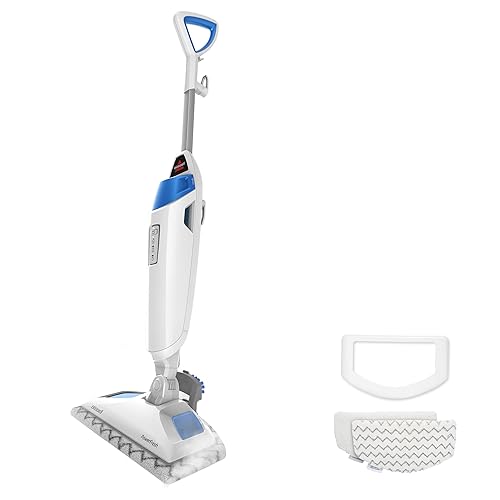
- Attach the correct pad or cloth and secure it firmly.
- Wait for the heat-up indicator before touching the floor.
- Test a small hidden spot first, such as inside a closet, and let it dry.
Clean in Small, Overlapping Passes
Work in sections about 3 to 4 feet wide. Move the head slowly in straight lines, letting the vapor do the work rather than pressing hard. Overlap each pass by roughly 2 inches so you do not leave stripes. For stubborn spots, hold the nozzle over the area for 5 to 10 seconds, then wipe with a microfiber cloth.
Flip or replace the pad when it looks saturated with grime. A dirty pad just spreads residue around. Keep the cloth dry on your last pass when possible, since moisture left on the floor can cause slipping.
Dry the Floor and Store the Unit Properly
Allow the floor to air dry fully before walking on it, typically 15 to 30 minutes depending on room humidity and airflow. Open a window or run a fan to speed things up. After use, empty the tank, let the unit cool, and wipe down the head. Storing a damp machine invites mildew and mineral deposits.
Common Mistakes to Avoid
- Skipping the test spot, which can reveal finish damage before it spreads.
- Using tap water with high mineral content, which clogs the vapor outlet.
- Holding the nozzle in one place too long on vinyl or laminate.
- Applying cleaning solution unless the manufacturer approves it for that machine.
- Leaving the floor damp, creating a slip hazard and encouraging residue to resettle.
Recommended Gear
A dedicated microfiber pad set is worth having, since replacing worn pads keeps results consistent. A small handheld steam attachment helps with grout lines and corners where a full-size head can’t reach. Distilled water is a simple, inexpensive supply that protects the boiler over time.
- Microfiber steam mop pads: Improve dirt pickup and are easy to launder. View on Amazon
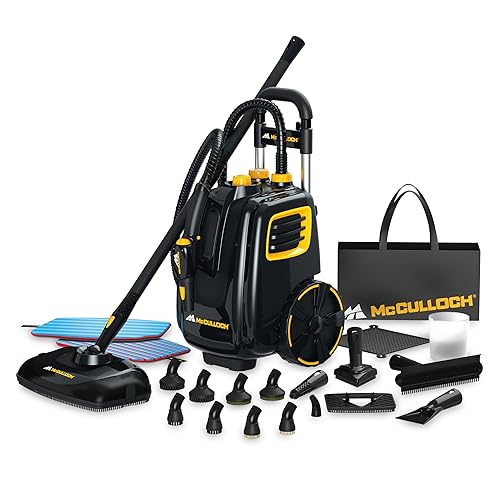
- Handheld steam cleaner attachment: Reaches grout lines and tight corners. View on Amazon
- Distilled water: Reduces scale buildup in the tank and heater. View on Amazon
Learn More About Steam Cleaning
For maintenance details, see Steam Cleaner Water and Maintenance: Preventing Scale, which covers scale control in depth. If you are comparing machine types, Handheld vs Canister Steam Cleaners explains the trade-offs. For attachments that suit different surfaces, read Steam Cleaner Attachments and What Each One Does. Owners who want a wider look at options can also check Best Handheld Steam Cleaners for Home: 7 Models Compared.
FAQ
Is a vapor clean steam cleaner safe on laminate floors?
Many laminate manufacturers allow steam use on sealed laminate, but some warn against it because moisture can seep into seams. Check the product label and use the lowest setting with minimal pressure.
How often should I use a vapor clean steam cleaner?
Weekly cleaning suits most busy households, while lightly used rooms may only need it every two to four weeks. Adjust based on how visibly dirty the floor becomes.
Can I add cleaning solution to my steam cleaner?
Only if the manufacturer explicitly approves it, since some solutions can damage the heating element or leave residue. When in doubt, use plain water and a microfiber pad.
Conclusion
A vapor clean steam cleaner works best when you match it to the right surfaces, prepare the floor, and work in small passes. Keep the pads clean, dry the floor fully, and store the unit dry. For flooring with unusual finishes or health concerns, consult the manufacturer or a flooring professional before proceeding.
Related reading
- Steam Cleaner and Carpet Cleaner: A Step-by-Step Guide for Better Results
- Steam Carpet Cleaner on Rent: A Step-by-Step Guide for Better Results
Ready to choose one?
About Owen Palmer
Owen Palmer is part of our editorial team and reviews and edits our non-vacuum cleaning gear guides, checking product details against manufacturer specifications and owner feedback.



Write Your Review
No reviews yet. Be the first to share your experience!